

👻 Haunted place
Warwick Castle
A Norman mound above a bend of the Avon, where a dungeon in Caesar's Tower and the shadow of an execution still colour the stories told after dark.
Photo: Wikipedia
Warwick Castle sits on a sandstone bluff at a bend of the River Avon, on a site that has been fortified for more than a thousand years. The river runs below the eastern walls and has worn the rock away into a cliff, so that the water and the stone together form the castle's natural defences. It is a striking setting in daylight, and more so as the light goes.
What stands today grew out of the wooden motte-and-bailey castle raised for William the Conqueror in 1068 and rebuilt in stone during the twelfth century. The great river-facing facade, the machicolated bulk of Caesar's Tower and Guy's Tower, the gatehouse with its murder holes, twin drawbridges and portcullises — all of this is fourteenth-century work, and among the most recognisable military architecture of its period.
Nine centuries of ownership have left the castle with a long list of prisoners, rebels and sudden deaths. It is from that real record, rather than from any single famous phantom, that Warwick's after-dark reputation is drawn.
🔦 You can join an organised ghost hunt here. Companies such as Haunted Happenings and Haunted Heritage run public overnight events at this venue — vigils, séances and all the kit in our sidebar.
Hauntings are told as reported — by owners, guests, guides and investigators — never as fact. The history underneath is often real, and sometimes tragic; we treat it with respect. Background from Wikipedia and the sources listed below.
The history behind the hauntings
The story begins before the Normans. In 914 Æthelflæd, daughter of Alfred the Great, established a burh here, one of ten raised to defend Mercia against the invading Danes; its position dominated the Fosse Way, the river valley and the crossing of the Avon. The mound to the south-west is still called Ethelfleda's Mound, although it in fact belongs to the later Norman fortifications. William the Conqueror's castle followed in 1068, and four houses belonging to the Abbot of Coventry were demolished to clear the ground for it.
The castle passed through the Beaumont, Maudit, Beauchamp and Neville families, and trouble followed each of them. In 1153 Gundreda de Warenne was tricked into believing her husband, the 2nd Earl, was dead and surrendered the castle to the army of Henry of Anjou; according to the Gesta Regis Stephani, Roger de Beaumont died on hearing the news. In 1264 the castle fell to a surprise attack from Kenilworth, and the walls were slighted so that they should be no strength to the king. In 1312 Piers Gaveston was held here by Guy de Beauchamp until his execution on 19 June. In 1469 Richard Neville, the Kingmaker, imprisoned King Edward IV within these walls.
By the sixteenth century the place was decaying — John Dudley complained that one side of the castle and the dungeon tower were clearly ruinated and down to the ground — though Elizabeth I still visited in 1566 and again in 1572. In 1604 James I granted the castle to Sir Fulke Greville, who converted it into a country house; the Greville family held it until 1978. It is now operated by Merlin Entertainments under a long lease, with the freehold held by the Prestbury Group.
The ghosts of Warwick Castle
2 reported apparitions, as the stories are told.
👻 The Dungeon Beneath Caesar's Tower
Caesar's Tower, the fourteenth-century residential tower on the north-eastern defences
Caesar's Tower, built between 1330 and 1360 under Thomas de Beauchamp, 11th Earl, is vaulted in stone on every storey and has a unique double parapet. Beneath it lies what the record describes as a grim basement dungeon.
Local legend going back to at least 1644 gives the tower a second name, Poitiers Tower, either because prisoners taken at the Battle of Poitiers in 1356 may have been held in it, or because the ransoms raised from that battle helped pay for its building. Neither explanation is settled. We have no recorded sighting to pass on: the tower's dark reputation rests on that basement and on what it was built for.
👻 Piers Gaveston, Earl of Cornwall
The castle generally; he was imprisoned here before his death
In 1312 Piers Gaveston, 1st Earl of Cornwall, was captured by Guy de Beauchamp, 10th Earl of Warwick, and imprisoned in the castle. A group of magnates led by Beauchamp and Thomas, 2nd Earl of Lancaster, accused him of stealing the royal treasure, and he was executed on 19 June 1312.
This was a political killing rather than a fireside tale, and it is treated as such here. His last weeks were spent within these walls, which is reason enough for his name to be bound up with the castle's darker history; we have no recorded sighting to pass on, and we would rather say so than invent one.
Warwick Castle in photos
Click any photo to enlarge
📷 Been here? Add your photo
Visiting Warwick Castle
The castle stands in the town of Warwick, about a mile from Warwick railway station and less than two miles from junction 15 of the M40; Birmingham Airport is also relatively close. From the towers you can look across the Avon to Warwick School, founded within the castle walls at the time of Æthelflæd's burh and arguably the oldest boys' school in the country. Kenilworth Castle, from which the force that surprised Warwick came in 1264, is about five miles to the north and makes an easy companion visit.
Organised public ghost hunts are held at the castle by event companies, which is one way to see the building after the day visitors have gone. Check dates with the organisers and book ahead, and dress for cold stone and spiral stairs.
Where to stay near Warwick Castle
Nearest first — every distance measured from Warwick Castle itself. Make a weekend of it.
0.2 miles away

0.4 miles away

0.4 miles away

0.5 miles away

0.5 miles away
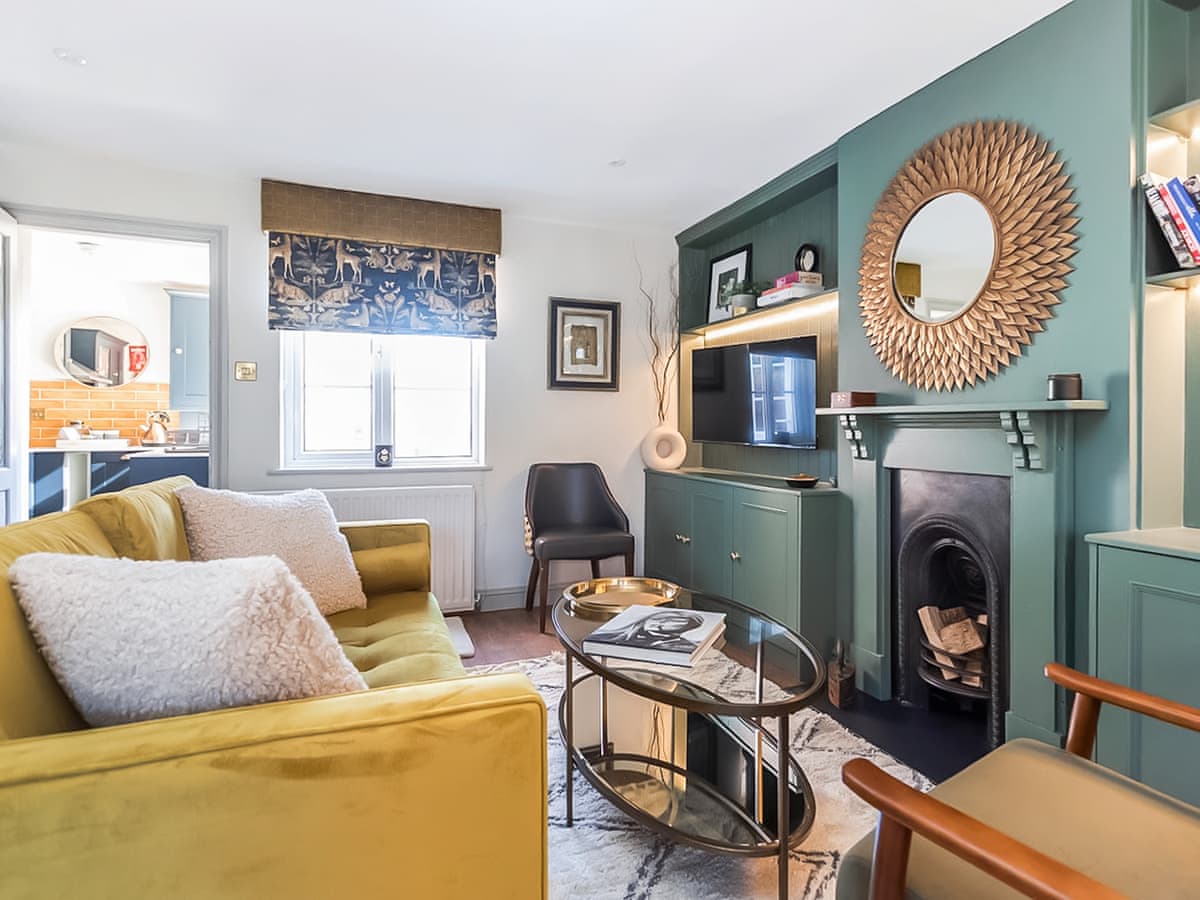
0.6 miles away

0.8 miles away
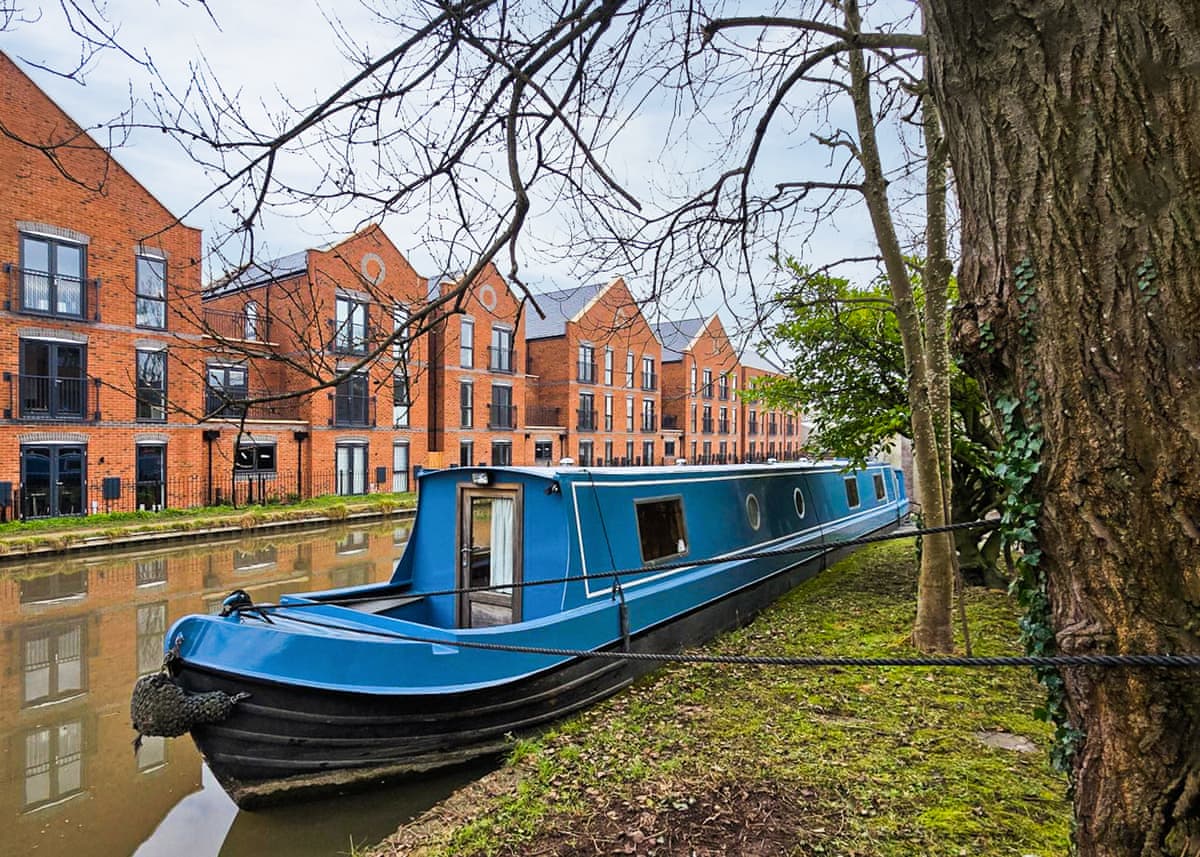
0.8 miles away
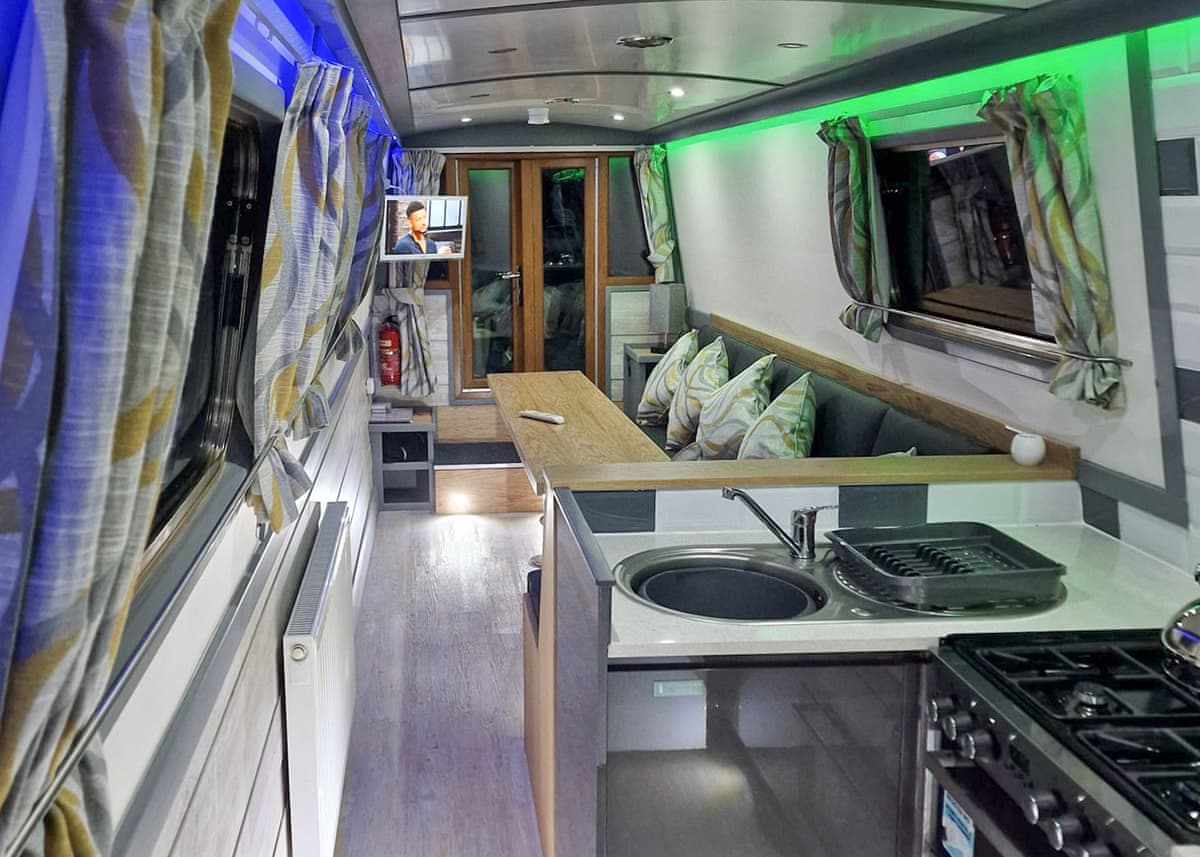
0.8 miles away
Somewhere to steady the nerves


Warwick Castle: your questions answered
When was Warwick Castle built? +
William the Conqueror established a wooden motte-and-bailey castle here in 1068, on a site already fortified as an Anglo-Saxon burh by Æthelflæd in 914. It was rebuilt in stone during the twelfth century, and the great north-eastern defences — the gatehouse, barbican, Caesar's Tower and Guy's Tower — were added between 1330 and 1360.
Can you join a ghost hunt at Warwick Castle? +
Yes. Organised public ghost hunts are held at the castle by event companies. Dates and booking are handled by the organisers, so it is worth checking with them in advance.
Why is Caesar's Tower also called Poitiers Tower? +
Local legend dating back to at least 1644 gives it the second name, either because prisoners taken at the Battle of Poitiers in 1356 may have been held in its basement dungeon, or because ransoms raised from that battle helped pay for its construction.
How do I get to Warwick Castle? +
It is about one mile from Warwick railway station and under two miles from junction 15 of the M40 motorway, and it is relatively close to Birmingham Airport.
Your experiences at Warwick Castle
Been on the tour, stayed the night, felt the cold spot for yourself? Tell the next visitor what happened — and if nothing did, that counts too.
No visitor stories yet — been to Warwick Castle? Yours would be the first.
Log in or create a free account to share your experience — accounts also save your trips and credit your photos.
More haunted places near Warwick Castle
Within 40 miles — enough for a haunted weekend tour.

👻 Haunted place · Warwickshire · 1.4 mi
Guy's Cliffe House 🔦
A ruined riverside house above the Avon, where a hermit's legend, a Masonic chapel and a notorious execution o...
2 ghosts

🛏️ Hotel · Warwickshire · 11.0 mi
Ettington Park Hotel
The Gothic mansion that played Hill House in The Haunting (1963), where a governess walks into walls and libra...
5 ghosts Ghost tours Stay overnight

👻 Haunted place · Northamptonshire · 20.8 mi
Sulgrave Manor 🔦
A limestone Tudor hall in a Northamptonshire village, built by a wool trader whose descendant would lead a new...
1 ghosts

👻 Haunted place · Warwickshire · 21.5 mi
Middleton Hall 🔦
A medieval manor beside the A4091, where Domesday names, five centuries of Willoughbys and a long slow rescue...
1 ghosts

👻 Haunted place · Leicestershire · 22.8 mi
Bosworth Battlefield 🔦
On 22 August 1485 a king was killed in the fields near Ambion Hill, and the Plantagenet dynasty ended with him...
1 ghosts

👻 Haunted place · Warwickshire · 24.9 mi
Tamworth Castle 🔦
A Norman motte-and-bailey above the Anker, where Mercian kings, Marmion champions and a Civil War garrison hav...
1 ghosts
Sources and further reading
- Warwick Castle — Wikipedia — Wikipedia
Researched by the BritStays Haunted Britain team; last updated 16 September 2026. Spotted something we've got wrong, or have your own story from Warwick Castle? We'd love to hear it.