

👻 Haunted place
Bosworth Battlefield
On 22 August 1485 a king was killed in the fields near Ambion Hill, and the Plantagenet dynasty ended with him.
Photo: Wikipedia
Some places in Britain are quiet because nothing ever happened there. Bosworth is quiet for the opposite reason. In the country south of Market Bosworth in Leicestershire, the Wars of the Roses — the civil war between the houses of Lancaster and York — came to its decisive end on 22 August 1485.
It was here that Richard III, the last king of the House of York, gambled everything on a charge across open ground to kill his rival Henry Tudor, Earl of Richmond. He did not reach him. Richard was surrounded and killed, the last English monarch to fall in battle, and by the end of the day England had a new king and a new dynasty. Historians count Bosworth Field as the end of the Plantagenet line and one of the defining moments of English history.
Walk the paths near Ambion Hill on a still morning, with the hedgerows dripping and the fields empty, and the weight of that single day is easy enough to feel. Whether anything of it lingers in the way ghost stories usually mean is another question — and one we'll come to honestly.
🔦 You can join an organised ghost hunt here. Companies such as Haunted Happenings and Haunted Heritage run public overnight events at this venue — vigils, séances and all the kit in our sidebar.
Hauntings are told as reported — by owners, guests, guides and investigators — never as fact. The history underneath is often real, and sometimes tragic; we treat it with respect. Background from Wikipedia and the sources listed below.
The history behind the hauntings
Richard's reign began in 1483, after his twelve-year-old nephew Edward V was declared illegitimate, likely at Richard's instigation. The boy and his younger brother were confined in the Tower of London and never seen in public again; their fate remains a mystery. The extrajudicial manner in which Richard took the throne — including the executions without trial of Anthony Woodville, Earl Rivers, and Richard Grey, and the beheading of Lord Hastings — won him no popularity, and ill rumours spread through England.
Across the Channel, Henry Tudor, a descendant of the greatly diminished House of Lancaster, seized on Richard's difficulties and laid claim to the throne. A first invasion attempt in 1483 foundered in a storm, but his second landed unopposed on the south-west coast of Wales on 7 August 1485. Marching inland and gathering support as he made for London, Henry was intercepted by Richard's hurriedly mustered army near Ambion Hill, south of Market Bosworth.
Richard divided his larger force into three "battles", assigning one to the Duke of Norfolk and another to the Earl of Northumberland; Henry kept most of his men together under the experienced Earl of Oxford. Norfolk's vanguard attacked but struggled, and some of his troops fled the field. Northumberland took no action when signalled to assist his king. Lord Stanley and Sir William Stanley, who had brought a force to the battlefield and held back while deciding which side to support, finally intervened when they saw Richard's knights separated from his army: Sir William led his men to Henry's aid, and Richard was surrounded and killed. Henry was crowned king after the battle, and his subsequent marriage to Elizabeth of York united the warring houses. He also hired chroniclers to portray his reign favourably, and from the 15th to the 18th centuries the battle was glamourised as a victory of good over evil — a version that reaches its most famous form as the climax of Shakespeare's Richard III.
The ghosts of Bosworth Battlefield
1 reported apparition, as the stories are told.
👻 The Dead of Bosworth Field
The battlefield landscape around Ambion Hill, south of Market Bosworth
We won't invent stories for Bosworth. No named apparition, no documented sighting and no traditional ghost tale attached to the battlefield has come down to us — only the history itself, which is sombre enough without embellishment. What is certain is that men died here on 22 August 1485, among them Richard III, the last English monarch to fall in battle.
There is a further complication for anyone hoping to stand on the exact spot. The site of the battle is disputed, because conclusive data is lacking, and memorials have been raised in more than one location. If anything of that day does linger, no one can say with certainty which field it lingers in.
Bosworth Battlefield in photos
Click any photo to enlarge
📷 Been here? Add your photo
Visiting Bosworth Battlefield
The Bosworth Battlefield Heritage Centre, built in 1974, is the natural place to begin a visit. Be aware as you go that its site has been challenged by several scholars and historians: in October 2009 a team of researchers who had carried out geological surveys and archaeological digs in the area since 2003 suggested the battle was fought some two miles (3 km) south-west of Ambion Hill.
Organised public ghost hunts are held at the venue, and for anyone drawn to the atmosphere of the place after dark, joining one is a better idea than wandering the fields alone. Book ahead, dress for a cold night in open country, and treat the ground for what it is: the place where a battle was fought and men died, as much as a visitor attraction.
Where to stay near Bosworth Battlefield
Nearest first — every distance measured from Bosworth Battlefield itself. Make a weekend of it.
1.4 miles away

2.3 miles away

Upton Barn Caravan and Camping site
✓ Families-only campsite in the Leicestershire countryside
Warwickshire
2.3 miles away

2.4 miles away
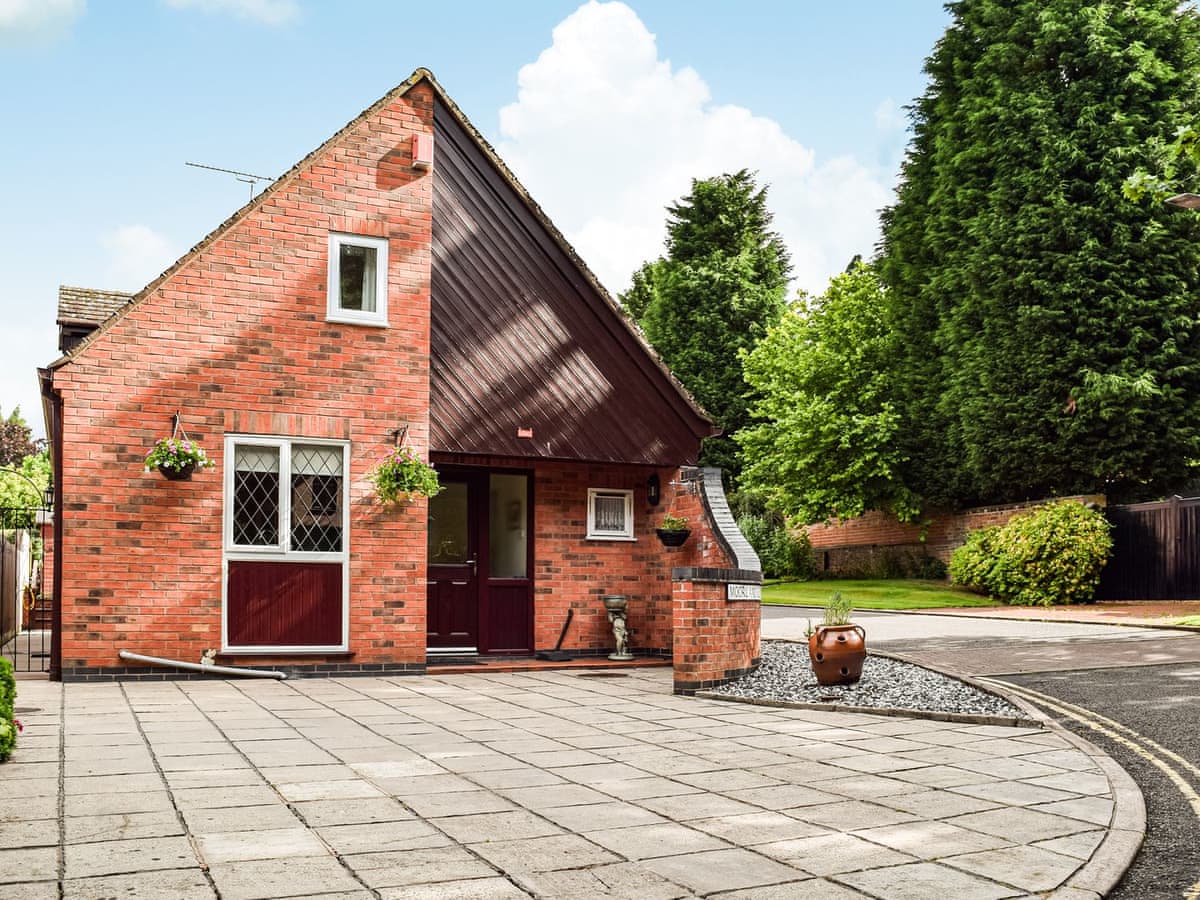
2.5 miles away
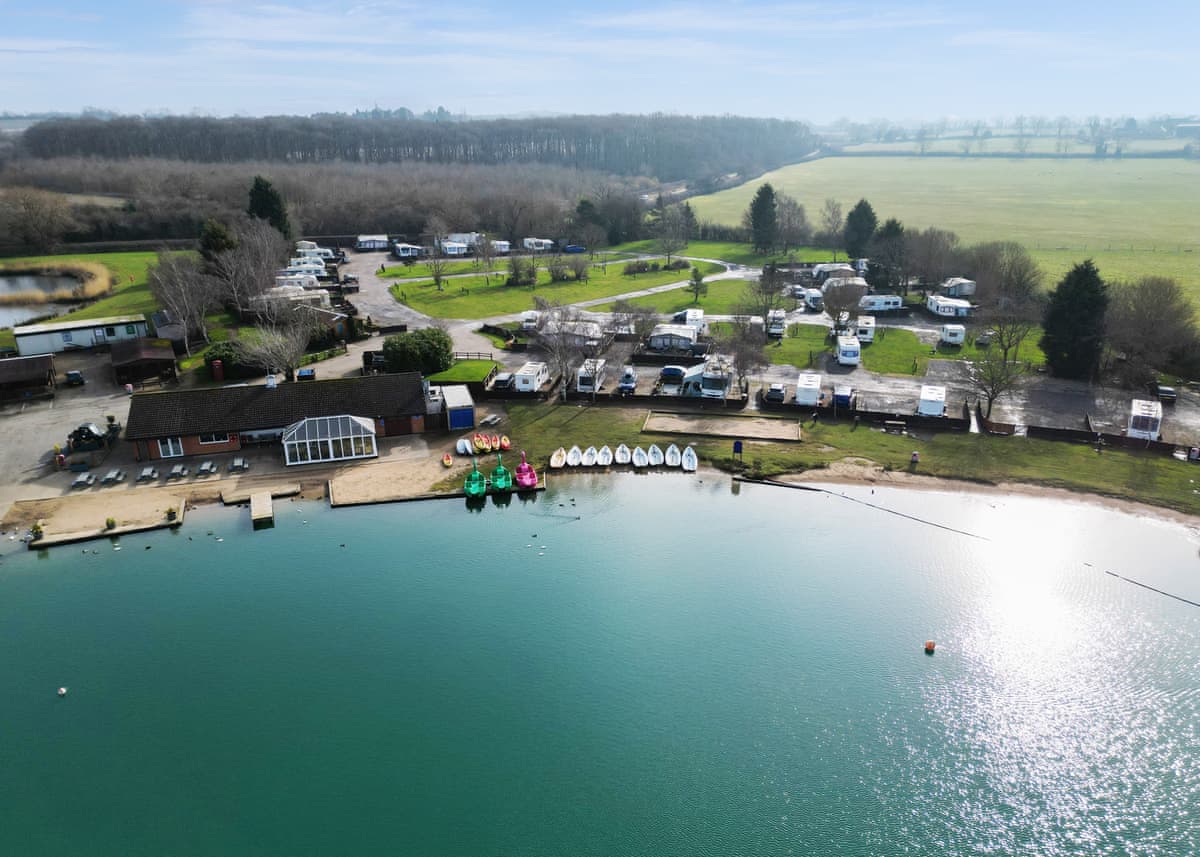
Bosworth Lakeside Lodges
Market Bosworth, near Nuneaton, Central England
£519 per break
Check availability3.2 miles away
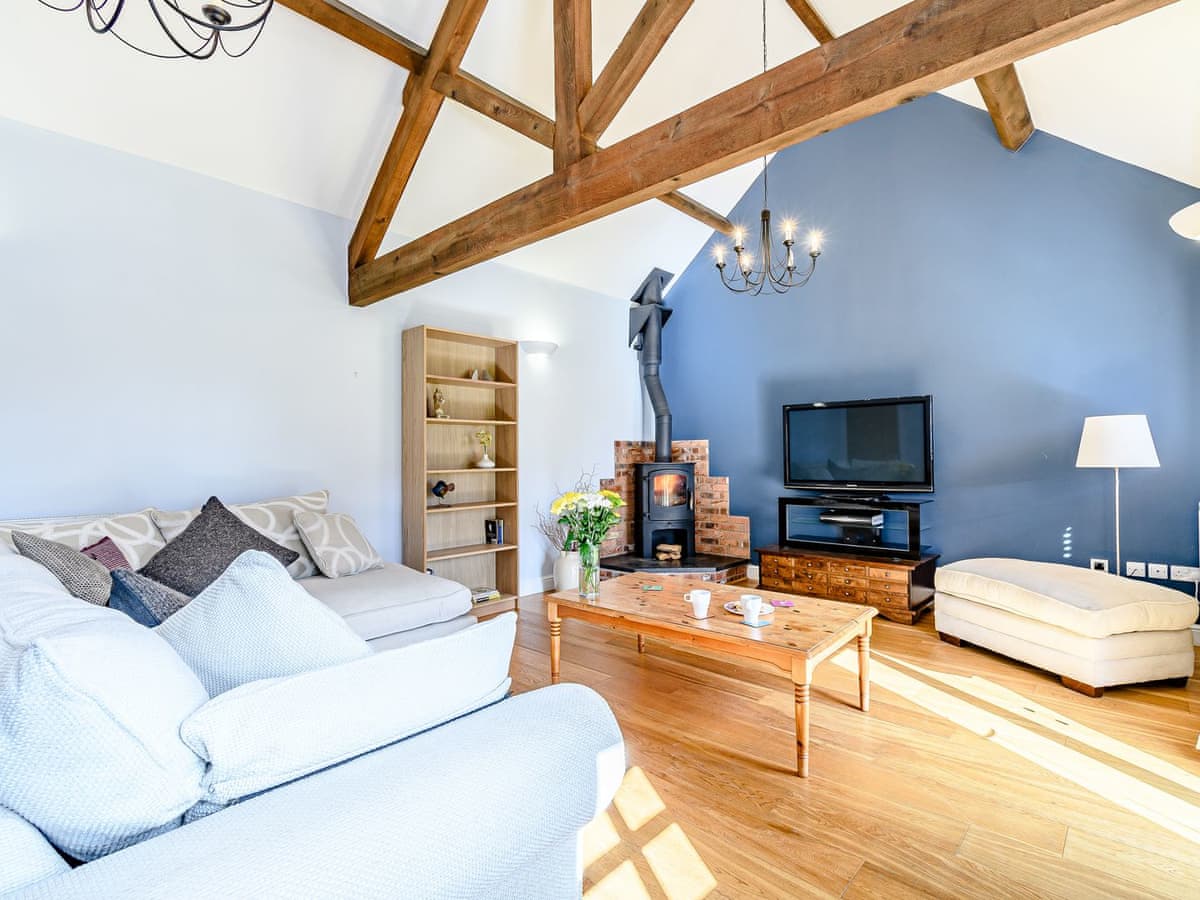
3.4 miles away

3.6 miles away
3.8 miles away

Bosworth Battlefield: your questions answered
When was the Battle of Bosworth fought, and who won? +
It was fought on 22 August 1485 and won by an alliance of Lancastrians and disaffected Yorkists led by Henry Tudor, Earl of Richmond, who became the first Welsh monarch of England from the House of Tudor.
Did Richard III really die at Bosworth? +
Yes. Richard III, the last king of the House of York, was killed during the battle after charging across the field to reach Henry Tudor. He was the last English monarch to fall in battle.
Is the Heritage Centre on the actual battlefield? +
That is disputed. The Bosworth Battlefield Heritage Centre was built in 1974, but its site has been challenged by several scholars, and in October 2009 researchers suggested a location two miles (3 km) south-west of Ambion Hill.
Are there ghost stories attached to Bosworth Battlefield? +
We know of no documented sightings or named apparitions at Bosworth, so we won't claim any. Organised public ghost hunts are held at the venue for visitors who want to experience the battlefield after dark.
Your experiences at Bosworth Battlefield
Been on the tour, stayed the night, felt the cold spot for yourself? Tell the next visitor what happened — and if nothing did, that counts too.
No visitor stories yet — been to Bosworth Battlefield? Yours would be the first.
Log in or create a free account to share your experience — accounts also save your trips and credit your photos.
More haunted places near Bosworth Battlefield
Within 40 miles — enough for a haunted weekend tour.

👻 Haunted place · Warwickshire · 12.4 mi
Tamworth Castle 🔦
A Norman motte-and-bailey above the Anker, where Mercian kings, Marmion champions and a Civil War garrison hav...
1 ghosts

👻 Haunted place · Warwickshire · 12.9 mi
Middleton Hall 🔦
A medieval manor beside the A4091, where Domesday names, five centuries of Willoughbys and a long slow rescue...
1 ghosts

👻 Haunted place · Leicestershire · 12.9 mi
Belgrave Hall 🔦
A chequered-brick Queen Anne house on the edge of Leicester, where three centuries of family lives have left t...
1 ghosts

👻 Haunted place · Leicestershire · 13.2 mi
Beaumanor Hall 🔦
A Jacobean-style hall on the edge of Charnwood Forest, where a Victorian family seat became a secret wartime l...
1 ghosts

👻 Haunted place · Warwickshire · 21.3 mi
Guy's Cliffe House 🔦
A ruined riverside house above the Avon, where a hermit's legend, a Masonic chapel and a notorious execution o...
2 ghosts

🏰 Castle · Staffordshire · 21.9 mi
Tutbury Castle
Mary, Queen of Scots' most hated prison, a phantom Keeper in full armour and the world-record ghost hunt of 20...
5 ghosts Ghost tours
Sources and further reading
- Bosworth Battlefield — Wikipedia — Wikipedia
Researched by the BritStays Haunted Britain team; last updated 13 September 2026. Spotted something we've got wrong, or have your own story from Bosworth Battlefield? We'd love to hear it.