

👻 Haunted place
Stanley Palace
A timber-framed Elizabethan town house on Watergate Street, built on friary ground, where the 7th Earl of Derby was held under arrest before his execution.
Photo: Wikipedia
Walk the length of Watergate Street and Stanley Palace announces itself before you have quite decided what you are looking at: a great gabled timber front, jettied out over the pavement, with ten-light mullioned and transomed windows catching the leaded glint of a Chester afternoon. Three gables face the street; four more look east. At the peak of each sits a finial, and in the gables the timbers run in wavy herringbone struts, the sort of showy carpentry a prosperous Elizabethan lawyer could afford.
It was built in 1591 as a town house for Sir Peter Warburton, and it has spent the four centuries since changing its mind about what it is. Mansion, apartments, a boys' school, a museum of curios, and now a hire space and set of meeting rooms looked after by the Friends of Stanley Palace.
It also stands on ground that was spoken for long before 1591 — the site of the former Black, or Dominican, Friary — and it carries the memory of a man held here under arrest before being taken away to his death.
🔦 You can join an organised ghost hunt here. Companies such as Haunted Happenings and Haunted Heritage run public overnight events at this venue — vigils, séances and all the kit in our sidebar.
Hauntings are told as reported — by owners, guests, guides and investigators — never as fact. The history underneath is often real, and sometimes tragic; we treat it with respect. Background from Wikipedia and the sources listed below.
The history behind the hauntings
Stanley Palace was raised in 1591 on the site of the Black (Dominican) Friary, as the town house of Sir Peter Warburton, a local lawyer and Member of Parliament. When Warburton died in 1621 the house passed to his daughter, and her marriage to Sir Thomas Stanley gave the building the name it still carries today.
Its hardest chapter came after the Civil Wars, when James Stanley, the 7th Earl of Derby, was held under arrest at the house before being transported to Bolton for execution. Part of the house was later demolished, and the south-west wing was rebuilt in the early 18th century. By then its days as a mansion were over: by the early 19th century it had been divided into apartments and its condition was deteriorating, and during the 1870s it housed a boys' school.
The building was sold to the 15th Earl of Derby in 1889, and in the early 1920s it held what was described as a museum of 1,000 curios. The north wing was rebuilt in 1935. Today it is recorded in the National Heritage List for England as a designated Grade II listed building — timber-framed on an ashlar sandstone plinth, two storeys, brick to the south wall and slate above.
The ghosts of Stanley Palace
1 reported apparition, as the stories are told.
👻 An honest note on the ghosts
Throughout the building, Watergate Street
The records we are working from name no spirit here, describe no apparition and preserve no account of a sighting. What they give instead is the raw material from which such reputations usually grow: a house of 1591 standing on the site of a Dominican friary, four centuries of changing use, and the arrest here of James Stanley, 7th Earl of Derby, before he was taken to Bolton to be executed. That was a real man and a real death, and it is better remembered as history than retold as a scare. Organised public ghost hunts are run at the building by event companies, but we have no documented hauntings to pass on.
Stanley Palace in photos
Click any photo to enlarge
📷 Been here? Add your photo
Visiting Stanley Palace
Stanley Palace is administered by the Friends of Stanley Palace and is in use as a hire space and meeting rooms, so access depends on what is happening inside on any given day — it is worth checking ahead rather than simply turning up. Organised public ghost hunts are held at the venue, and for anyone who wants to spend a long evening in the building after dark, joining one is the most straightforward way in.
Even if you only see it from the street, it rewards a slow look: the jettied upper storey with its moulded bressumer, the decorated panels below and beside the windows, the herringbone struts in the gables and the finials at their peaks. Watergate Street is in central Chester, so the Palace is easily reached on foot.
Where to stay near Stanley Palace
Nearest first — every distance measured from Stanley Palace itself. Make a weekend of it.
0.1 miles away

0.2 miles away

Abode Chester
✓ Across the street from England's oldest working racecourse
🏖️ 1.02 miles from Sandy Lane, Chester
Chester
0.2 miles away

0.2 miles away

0.3 miles away
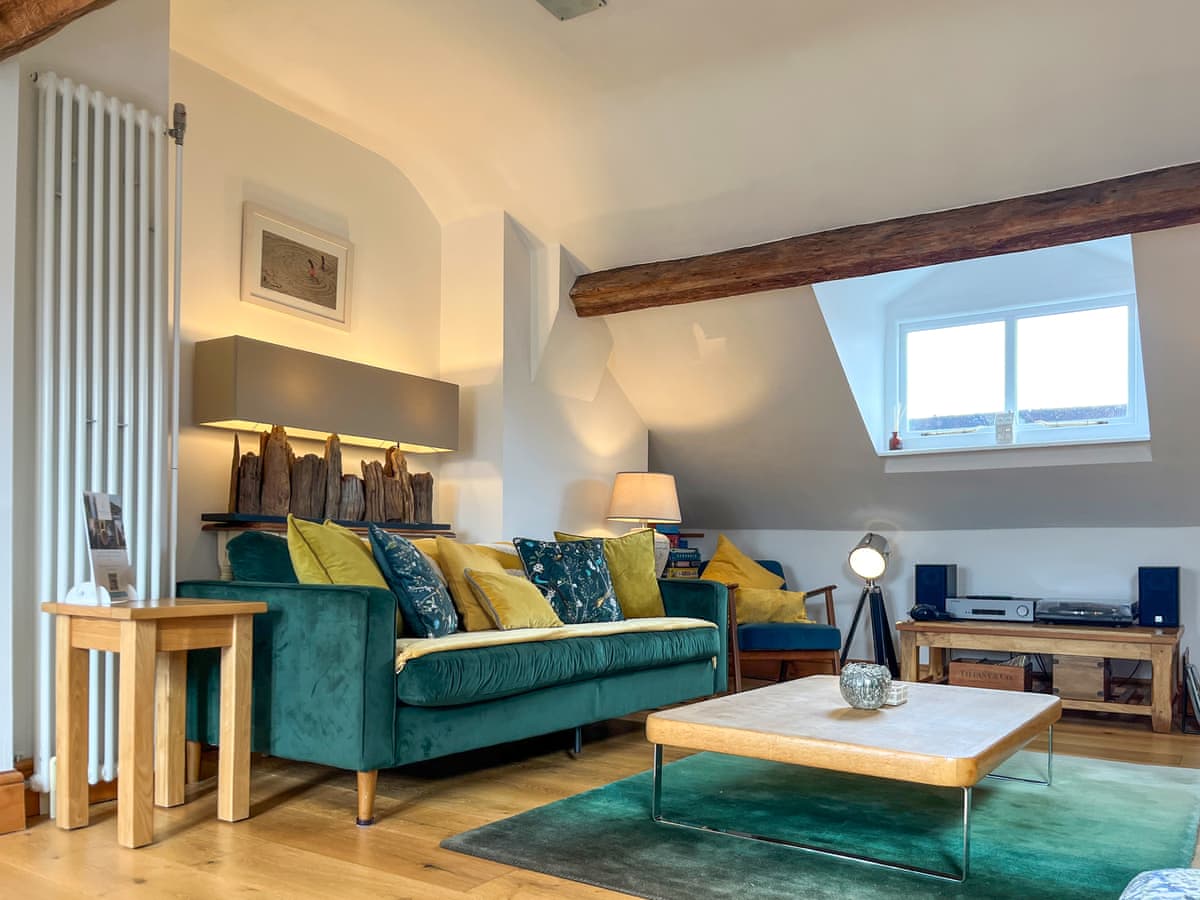
Chester Townhouse
🏖️ 0.84 miles from Sandy Lane, Chester
Chester, North West England
£997 per break
Check availability0.3 miles away

0.3 miles away
Leonardo Hotel
✓ Set within the historic Roman walls in central Chester
🏖️ 0.81 miles from Sandy Lane, Chester
Chester
0.3 miles away

Travelodge Chester
✓ Stone's throw from the Cathedral and Chester attractions
🏖️ 0.73 miles from Sandy Lane, Chester
Chester
0.3 miles away

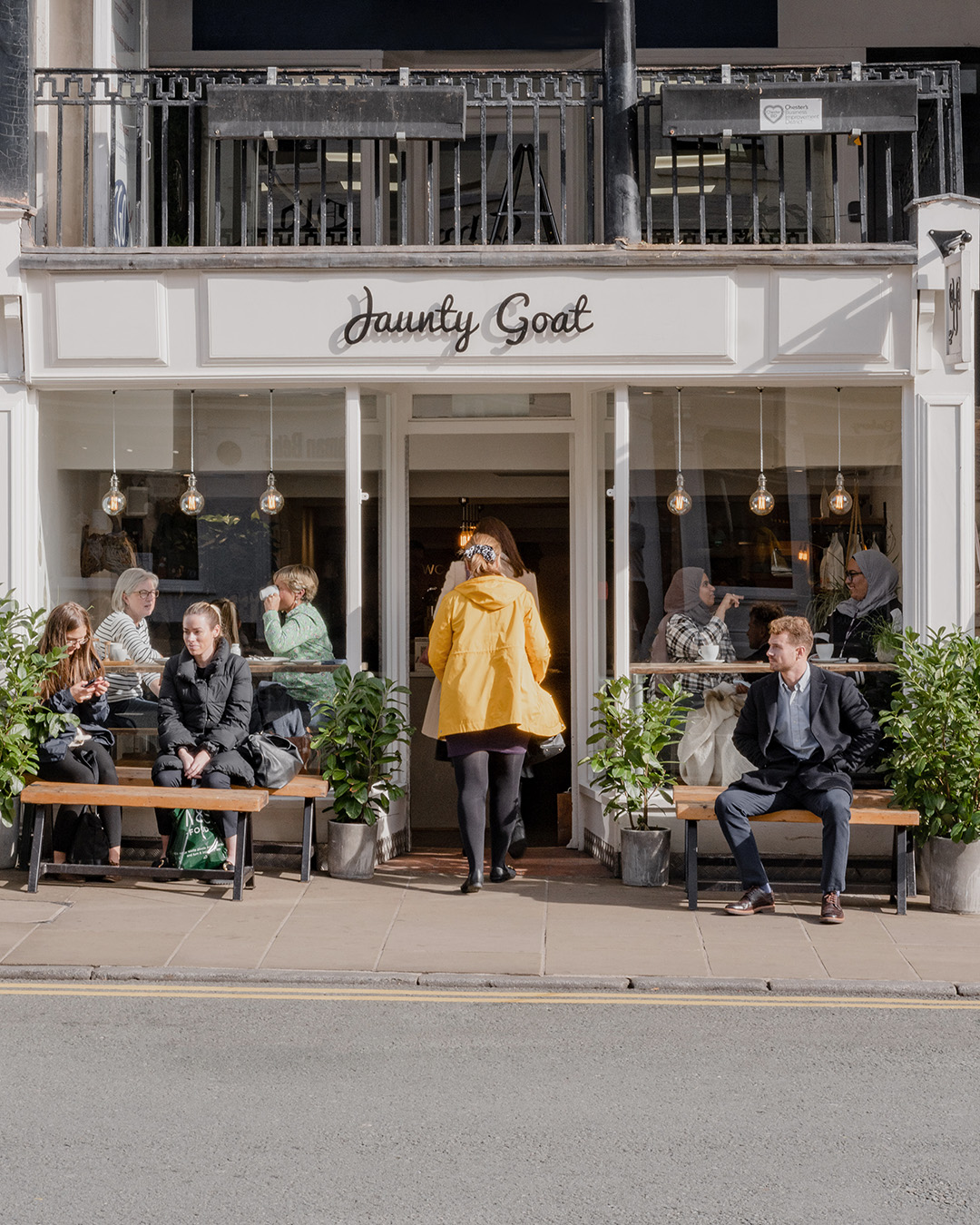
Somewhere to steady the nerves


Stanley Palace: your questions answered
When was Stanley Palace built, and for whom? +
It was built in 1591 as a town house for Sir Peter Warburton, a local lawyer and Member of Parliament, on the site of the former Black (Dominican) Friary.
Why is it called Stanley Palace? +
Warburton died in 1621 and the house passed to his daughter. She married Sir Thomas Stanley, and it is from him that the house takes its name.
Is Stanley Palace a listed building? +
Yes. It is recorded in the National Heritage List for England as a designated Grade II listed building.
Can you go inside Stanley Palace? +
The building is administered by the Friends of Stanley Palace and is used as a hire space and meeting rooms. Organised public ghost hunts are also held at the venue, which is one way to spend time inside.
Your experiences at Stanley Palace
Been on the tour, stayed the night, felt the cold spot for yourself? Tell the next visitor what happened — and if nothing did, that counts too.
No visitor stories yet — been to Stanley Palace? Yours would be the first.
Log in or create a free account to share your experience — accounts also save your trips and credit your photos.
More haunted places near Stanley Palace
Within 40 miles — enough for a haunted weekend tour.

🏛️ Stately home · Flintshire · 8.2 mi
Plas Teg
A Jacobean mansion rescued from ruin, said to house fifteen ghosts, a drowned bride-to-be and a well with a da...
3 ghosts

👻 Haunted place · Chester · 10.7 mi
Wrexham
A Welsh market city of water meadows and old lordships, where the deepest shadows belong to history rather tha...
1 ghosts

👻 Haunted place · Cheshire · 13.8 mi
Norton Priory 🔦
Four centuries of canons, floods and slow decline beneath the Cheshire trees — and a ruin where organised ghos...
1 ghosts

👻 Haunted place · Merseyside · 16.1 mi
Newsham Park Hospital 🔦
A grand Victorian orphanage on the edge of a Liverpool park, now derelict — and, the story goes, never quite e...
1 ghosts

👻 Haunted place · Cheshire · 16.9 mi
Walton Hall 🔦
Brewing money, crow-stepped gables and one surviving tower — the Warrington country house where the ghost hunt...
1 ghosts

🛏️ Hotel · Denbighshire · 18.1 mi
Ruthin Castle
A castle hotel with a drowning pit, a whipping pit and a Grey Lady who took an axe to her husband's mistress
3 ghosts Stay overnight
Sources and further reading
- Stanley Palace — Wikipedia — Wikipedia
Researched by the BritStays Haunted Britain team; last updated 13 October 2026. Spotted something we've got wrong, or have your own story from Stanley Palace? We'd love to hear it.