

👻 Haunted place
Fort Amherst Citadel
A Napoleonic fortress cut deep into the Chatham chalk, where the story goes that a headless drummer boy's tapping falls silent as he passes by.
Photo: Wikipedia
Fort Amherst rises above Dock Road in Chatham, Kent, a Napoleonic-era military fortress built to guard Chatham Dockyard and the River Medway against a feared French invasion. English Heritage has described it as the most complete Napoleonic fortification in Britain, and its ditches, batteries and earthworks still trace the shape of a defensive system designed to be formidable.
Most visitors, though, come for what lies beneath. A maze of tunnels was dug into the chalk cliffs to move ammunition around the fort, opening out into vast underground stores and shelters, magazines, barracks and guardrooms. The passages are dark and close, and the daily tunnel tours make the most of that atmosphere.
It is in these brick-lined passages that the fort's best-known story is told. The ghost tours here speak of a figure called the Little Drummer Boy, and some visitors have reported odd sensations underground — a drop in temperature, a touch on the shoulder. Take it as folklore layered over generations of soldiering, labour and watchfulness, and the tunnels become a good deal more interesting.
🔦 You can join an organised ghost hunt here. Companies such as Haunted Happenings and Haunted Heritage run public overnight events at this venue — vigils, séances and all the kit in our sidebar.
Hauntings are told as reported — by owners, guests, guides and investigators — never as fact. The history underneath is often real, and sometimes tragic; we treat it with respect. Background from Wikipedia and the sources listed below.
The history behind the hauntings
The Medway fortifications owe their existence to a humiliation. After the Dutch State Fleet raided the Medway between 12 and 14 June 1667, inflicting heavy damage on Chatham Dockyard, defences for the dockyard were planned from 1708, with land acquired under the Fortifications Acts of 1708 and 1709 and surveyed in April 1715 by the Duke of Marlborough. Between January and August 1755 a series of bastions went up, and the ditches and earthworks that followed during the Seven Years' War became known as the Chatham Lines. Fort Amherst itself was constructed between April and October 1756 at the southern end of the Brompton Lines; an infantry barracks for the garrison followed in June 1757.
During the American Revolutionary War the lines were strengthened, with two redoubts as their strong points — Amherst at the southern end, which became Fort Amherst, and Townsend to the north. In February 1779, workmen digging here uncovered the foundation of a Roman building, along with Roman brick, tile and coins including issues of the Empress Faustina and the Emperor Claudius; the finds were recorded by Rev. James Douglas, then serving as Lt Douglas with the Royal Engineers, who later published his research as Nenia Britannica. The Napoleonic Wars brought further enlargement, with new batteries and brick-revetted ditches to the plans of General Hugh Debbrieg. From September 1802 until June 1811 the tunnels were extended by prisoners, mostly convicts from St Mary's Island, who also created the vast underground stores and shelters, magazines, barracks, gun batteries and guardrooms that visitors walk through today. The last building works were finished in about March 1820.
That December, advances in artillery rendered the defences obsolete. The fortified area became a training ground, and its Victorian practice sieges drew thousands of spectators to Chatham, with VIPs seated on the barracks; one such siege appears in Dickens's Pickwick Papers. Fort Amherst served again in the Second World War as an Air Raid Warning Command Post for the ARP and the Royal Observer Corps. Scheduled as an ancient monument on 19 November 1959, it was tidied and restored by enthusiasts from August 1977 and bought from the Ministry of Defence in April 1980 by the Fort Amherst and Lines Trust.
The ghosts of Fort Amherst Citadel
1 reported apparition, as the stories are told.
👻 The Little Drummer Boy
The brick-lined passages of the tunnel complex
The fort's most frequently told story is that of the Little Drummer Boy, described as a headless figure who walks the brick-lined passages. According to the tale, he is heard rather than seen: a tapping or drumming carried along the tunnels. Some visitors have reported a sudden chill in the air, or the sensation of a gentle tap on the shoulder, after which the drumming is said to stop as the figure passes, before starting up again once it has gone by. It is a story told on the fort's ghost tours and repeated by visitors, and it is offered here as exactly that — a story, passed down and retold in the dark.
Sightings, investigations and published accounts
The accounts gathered at Fort Amherst are few, and much alike. Visitors have described hearing a tapping or drumming sound in the tunnels, feeling a chill in the air, or sensing a light tap on the shoulder. In the version told here, the drumming then ceases as the headless figure of the Little Drummer Boy is said to walk past, before the sound resumes behind them.
Beyond that there is little to pass on, and we would rather say so than invent detail: no dated sightings, no names, no quoted testimony — only the shared account of sound, cold and touch underground, which the fort's ghost tours and over-night investigations continue to explore.
Fort Amherst Citadel in photos
Click any photo to enlarge
📷 Been here? Add your photo
Visiting Fort Amherst Citadel
The Fort Amherst Heritage Trust, a registered charity on Dock Road in Chatham, opens the fort to visitors every day of the year, with daily tunnel tours at 11am and 2pm (times subject to change). Some of the cannons are fired on Sundays throughout the year and periodically during the school holidays. Parts of the site, including the Spur Battery and the Inner Lines — the Napoleonic defensive ditches — are reached by the Bicentenary Bridge built by a team of Royal Engineers in 2012, and are accessible only at special times and on guided visits.
For the ghost stories, the Trust has run a programme of evening ghost tours, typically on the first Friday of each month, along with over-night Ghost Watch paranormal investigations within the tunnels and Halloween tours that take guests through the dark rooms and passages. Organised public ghost hunts are also held at the fort by event companies. Check the current programme before you travel, and dress for cool underground passages whatever the weather above ground.
Where to stay near Fort Amherst Citadel
Nearest first — every distance measured from Fort Amherst Citadel itself. Make a weekend of it.
0.6 miles away

0.8 miles away

0.8 miles away
1.0 miles away

1.2 miles away

1.9 miles away

2.2 miles away
2.6 miles away

3.5 miles away
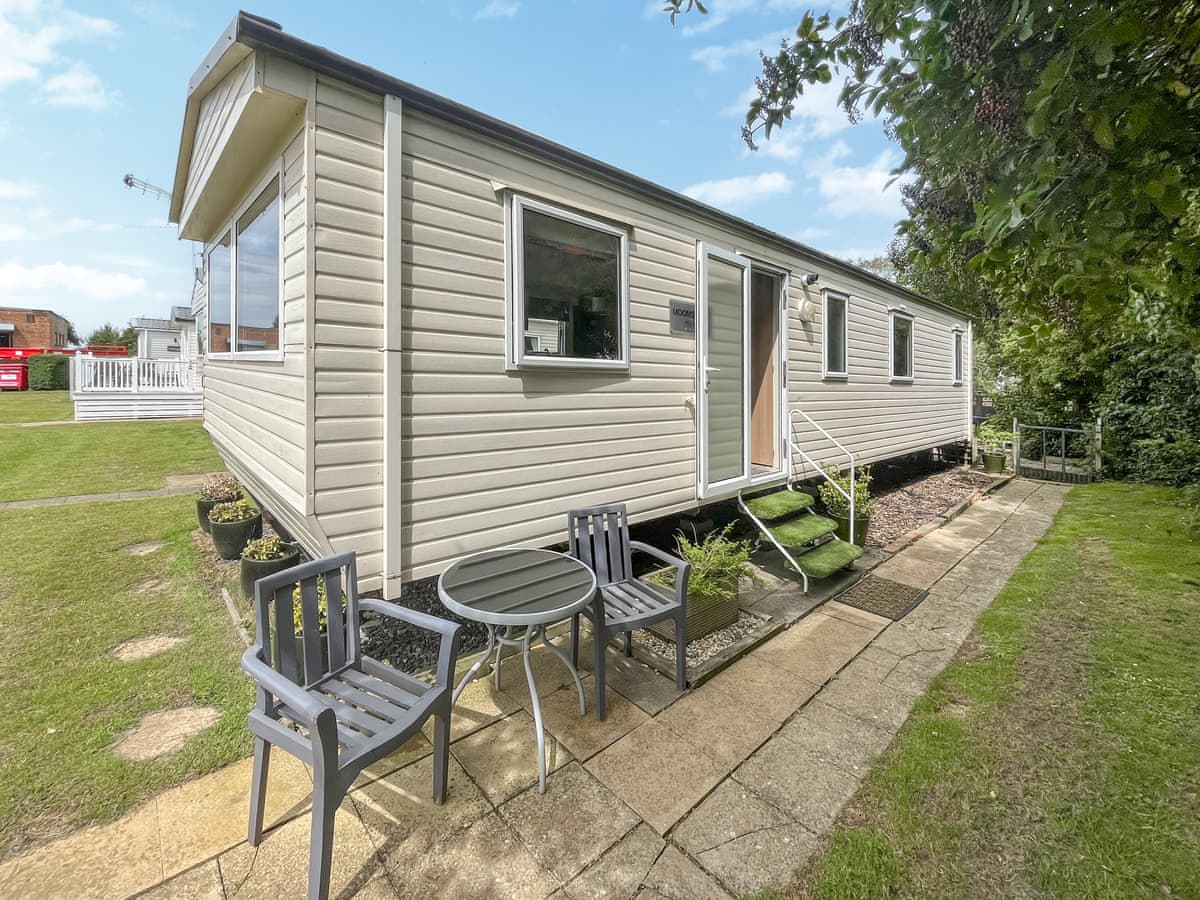
Home From Home
🏖️ 0.82 miles from St Margaret`s Bay (Excellent water quality)
Dover, Southern England
£621 per break
Check availabilityFort Amherst Citadel: your questions answered
When was Fort Amherst built, and why? +
It was constructed between April and October 1756, at the southern end of the Brompton Lines during the Seven Years' War, to defend Chatham Dockyard and the River Medway from a possible French invasion. The fortifications were significantly expanded during the Napoleonic Wars.
Can I join a ghost hunt at Fort Amherst? +
Yes. The Fort Amherst Heritage Trust has run a programme of events including ghost tours, typically on the first Friday evening of each month, and over-night Ghost Watch paranormal investigations within the tunnels. Halloween tours through the dark rooms and passages have also been held, and organised public ghost hunts are run at the fort by event companies. Check the current programme before booking.
Who is the Little Drummer Boy said to be? +
The Little Drummer Boy is the fort's best-known ghost story: a headless figure said to walk the brick-lined passages, accompanied by a tapping or drumming sound that is reported to fall silent as he passes. No name, date or further history is recorded in the telling, so we won't invent one.
What is there to see besides the tunnels? +
Fort Amherst has been described by English Heritage as the most complete Napoleonic fortification in Britain. Alongside the daily tunnel tours there are cannon firings on Sundays through the year and periodically in the school holidays, and guided access at special times to the Spur Battery and the Inner Lines via the Bicentenary Bridge.
Your experiences at Fort Amherst Citadel
Been on the tour, stayed the night, felt the cold spot for yourself? Tell the next visitor what happened — and if nothing did, that counts too.
No visitor stories yet — been to Fort Amherst Citadel? Yours would be the first.
Log in or create a free account to share your experience — accounts also save your trips and credit your photos.
More haunted places near Fort Amherst Citadel
Within 40 miles — enough for a haunted weekend tour.

👻 Haunted place · Broadstairs · 1.2 mi
Dover Castle 🔦
A Roman lighthouse, a Norman keep and a warren of cliff tunnels — the "Key to England" keeps as much history b...

🏘️ Village · Kent · 23.9 mi
Pluckley
A pretty Wealden village with a Guinness-backed reputation, a dozen named ghosts and the Screaming Woods on it...
6 ghosts Ghost tours
🍺 Pub / inn · East Sussex · 27.3 mi
The Mermaid Inn, Rye
A 600-year-old smugglers' inn on a cobbled street, where duelling ghosts and a rocking chair keep guests awake
4 ghosts Ghost tours Stay overnight

👻 Haunted place · Kent · 38.5 mi
Chatham Historic Dockyard
Around four centuries of Royal Navy history live on in the Ropery, slipways and warships of what is claimed to...
1 ghosts

👻 Haunted place · Kent · 26.6 mi
Kent
Kent is a ceremonial county in South East England. It is bordered by Essex across the Thames Estuary to the no...
Sources and further reading
- Fort Amherst Citadel — Wikipedia — Wikipedia
Researched by the BritStays Haunted Britain team; last updated 13 October 2026. Spotted something we've got wrong, or have your own story from Fort Amherst Citadel? We'd love to hear it.