

🏛️ Haunted stately home · Fakenham, Norfolk, England
Raynham Hall
Home of the Brown Lady, the ghost in the most famous spirit photograph ever taken, and a private house you can still tour by arrangement
Photo: Wikipedia
Raynham Hall is the home of the Brown Lady, the ghost of Raynham Hall whose image – a veiled, luminous figure descending the great staircase – is probably the most famous "spirit photograph" ever taken. Snapped by two Country Life photographers on 19 September 1936 and published that Christmas, the picture has been argued over for ninety years, and it turned a Norfolk country house into a byword for the haunted English mansion.
The hall stands in parkland at East Raynham, four miles or so south of Fakenham in north-west Norfolk, and it is still what it has been for nearly five hundred years: the private home of the Townshend family. It is not a museum. The present Marquess and Marchioness Townshend moved back into the house in 2025, and guided tours run on a limited basis, so a visit needs planning.
This guide tells the story properly: the real Dorothy Walpole, sister of Britain's first prime minister and mistress of Raynham until her death in 1726; the sightings by a king, a colonel and a novelist who fired a pistol at her; the day the camera caught something on the stairs; and the sceptics' answers. It also explains how you can see the hall, what the wider Raynham Estate offers – including glamping on the River Wensum – and where else to stay near Fakenham.
Hauntings are told as reported — by owners, guests, guides and investigators — never as fact. The history underneath is often real, and sometimes tragic; we treat it with respect. Background from Wikipedia and the sources listed below.
The history behind the hauntings
Raynham Hall was begun in 1619 and restarted on a different site in 1622 by the young Sir Roger Townshend, who acted as patron and part-architect alongside his local master mason William Edge. The two men had travelled to London and Newmarket to study the new buildings of Inigo Jones, and Raynham was startlingly advanced for its time – a house that mixed Mannerist forms with Jones's classical Palladianism, complete by Sir Roger's death in 1637. It is now regarded as one of the finest examples of early Palladian architecture in the country.
A century later Charles, 2nd Viscount Townshend – "Turnip" Townshend, the politician and pioneering agriculturalist who served at the courts of Queen Anne and George I – transformed the house. He altered the east front in 1703 and brought in William Kent, who worked at Raynham from 1725 to 1732, adding the north wing and decorating the interior with the carved chimneypieces, doorcases and painted staircase that survive today. That staircase is the one in the photograph.
It was this Charles Townshend who in 1713 married Dorothy Walpole, born in 1686 and sister of Sir Robert Walpole, generally regarded as Britain's first prime minister. Known for her vivacity, wit and beauty, Dorothy became mistress of Raynham and died of smallpox in 1726, aged just 39. Folklore has long insisted that the smallpox story was a cover: that her husband, discovering an earlier affair, locked her away in her rooms at Raynham and let her die there, either of neglect or starvation. Historians find no evidence for the imprisonment, but the story gave the hall its ghost. The Townshends have remained at Raynham ever since, and the 9th Marquess, Tom Townshend, returned in 2016 to run the estate and moved his family into the hall in 2025.
The ghosts of Raynham Hall
4 reported apparitions, as the stories are told.
👻 The Brown Lady (Dorothy Walpole)
The main staircase and the bedrooms
The Brown Lady takes her name from the brown dress she is said to wear. Witnesses over two centuries have described a woman in old-fashioned dress on the staircase or in the corridors of the hall, sometimes with a face that is more disturbing than the dress. She is identified with Dorothy Walpole, Lady Townshend, who died at Raynham in 1726 and, according to legend, was kept a prisoner there by her husband in her last years. Her reported appearances are mostly quiet: a figure on the stairs, a shape by a bed, a presence in a bedroom passage. It was the camera, not any witness, that made her famous.
👻 The figure in the photograph
The oak staircase, 19 September 1936
On 19 September 1936, Captain Hubert C. Provand, a London photographer, and his assistant Indre Shira were shooting Raynham's interiors for Country Life. As they set up at the foot of the staircase, Shira reportedly saw "a vapoury form gradually assuming the appearance of a woman" drifting down the stairs towards them and shouted to Provand to expose the plate. The developed negative showed a translucent, veiled figure in a flowing gown on the steps. It was published on 26 December 1936 and has been reproduced countless times since. Both men maintained the picture was genuine until they died, staking their reputations as architectural photographers on it.
👻 The lady at the King's bedside
A bedroom of the hall
The earliest royal encounter is attributed to King George IV, who is said to have stayed at Raynham in the early 1800s while still Prince Regent or newly crowned – accounts vary – and to have found a woman in a brown dress standing beside his bed. It is a well-worn anecdote rather than a documented event, but it establishes the two features that recur in every later account: the brown dress, and a figure that appears to the sleeper rather than the sleepless.
👻 The face with no eyes
The staircase and upper corridors, Christmas 1835 and 1836
The first well-attested sightings came at a Christmas house party in 1835 given by Lord Charles Townshend. A guest, Colonel Loftus, and another visitor reported a woman in brown on the staircase; Loftus, seeing her again, noted that where her eyes should have been there were only "hollow caverns". The following year the novelist and naval officer Captain Frederick Marryat, staying for the shooting, is said to have met her in an upstairs corridor, described her grin as "malicious and diabolical", and fired his pistol at her – the figure vanished and the bullet lodged in a door across the passage. It remains the most colourful account in the Brown Lady canon.
Sightings, investigations and published accounts
The Brown Lady has one of the longest and best-populated sighting lists of any English ghost. After George IV's reputed encounter and the Loftus and Marryat sightings of 1835–36, the story settled into a pattern of periodic reports by family, guests and staff. In 1926 Lady Townshend and her son reportedly saw the figure on the staircase – the same staircase where, ten years later, the Country Life photographers claimed to have captured her on a glass plate.
The photograph is the crux. Provand and Shira gave a detailed account of what happened at the foot of the stairs on 19 September 1936, and the image was examined by members of the Society for Psychical Research, who reported finding no immediate evidence of tampering with the negative or the camera. It has never been definitively debunked, which is why it still leads every list of famous ghost photographs.
The sceptical case is equally well developed. Most critics conclude that the picture is not a spectre at all but either a living person draped in a sheet on the stairs, or a straightforward double exposure – a superimposition of a draped Madonna statue or a similar figure onto the staircase plate. The soft outline and the "veil" are consistent with movement during a long exposure, and Shira, who claimed to have seen the figure, was the only one of the two who did. Country Life itself has revisited the story since, treating it with a mixture of pride and raised eyebrow.
What is not in dispute is that the Townshends have lived with the tale for generations and that the house, its Kent staircase and its dark portraits provide exactly the setting the legend needs. The family, sensibly, makes no claims either way.
Raynham Hall in photos
Click any photo to enlarge
📷 Been here? Add your photo
Visiting Raynham Hall
Raynham Hall is a private family home near Fakenham in north-west Norfolk, not a stately home with daily opening, so do not turn up expecting a ticket desk. The Marquess and Marchioness Townshend open the house for guided tours on selected dates – the estate has said hall tours and events return in 2026 – and for pre-arranged group visits, typically for parties of fourteen or more, with tea or afternoon tea included. Check the Raynham Estate website or its social media for the current programme and book ahead; the hall is not open at other times, and the park and drives are private.
The wider Raynham Estate is a working farm estate with its own attractions: a dining and farm-produce offer, walks in the surrounding countryside, and glamping at Wild Meadow, a site of designed yurts on the banks of the River Wensum about four miles south of Fakenham. That is the nearest you can get to sleeping with the Brown Lady, and it is a lovely base for the north Norfolk coast, Holkham and Walsingham. There are no ghost tours at Raynham, and the house has stairs throughout, so ask about accessibility when booking. Fakenham has pubs, inns and B&Bs; the coast at Wells-next-the-Sea and Burnham Market is twenty minutes' drive.
🛏️ Brave enough to sleep at Raynham Hall?
Glamping yurts at Wild Meadow on the wider Raynham Estate (River Wensum, 4 miles south of Fakenham); the hall itself is a private home with no rooms to let.
Where to stay near Raynham Hall
Nearest first — every distance measured from Raynham Hall itself. Make a weekend of it in Fakenham.
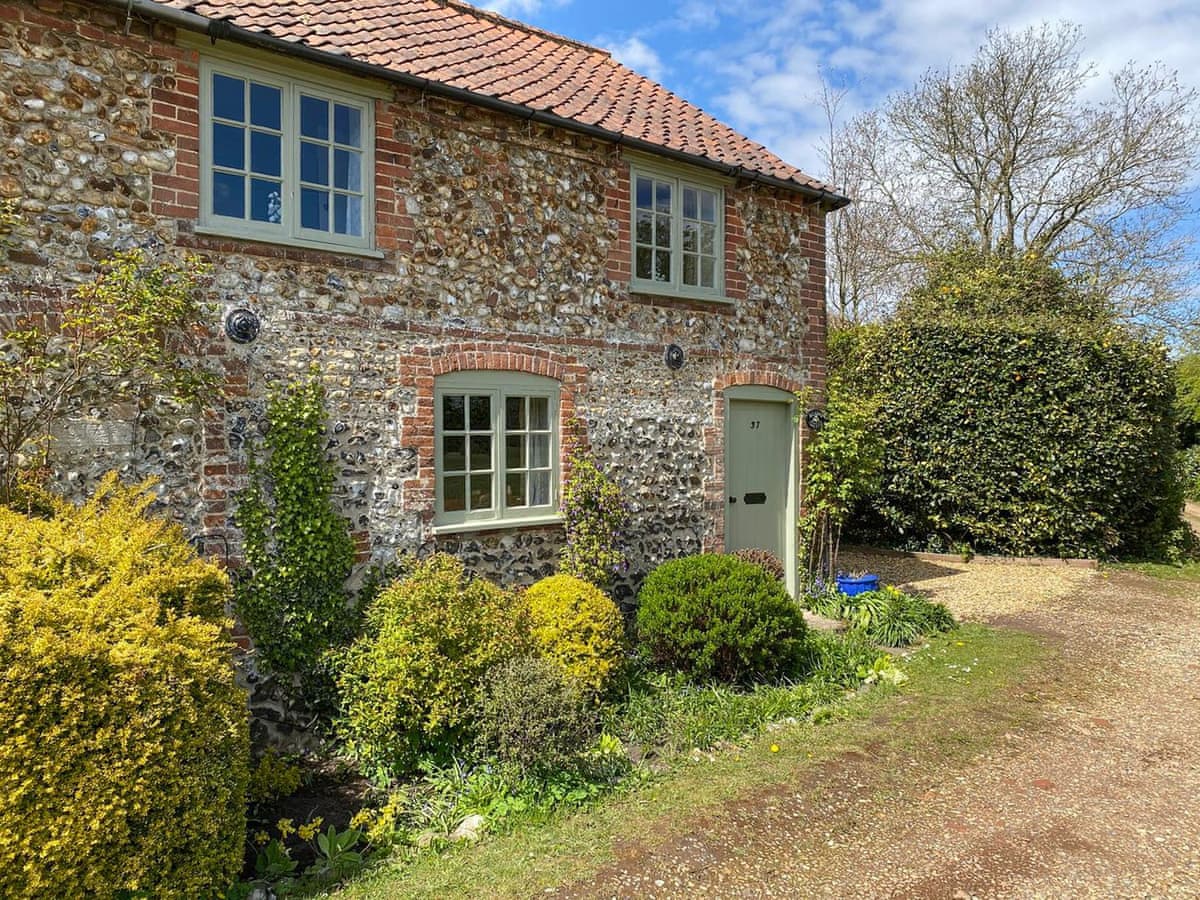
0.8 miles away
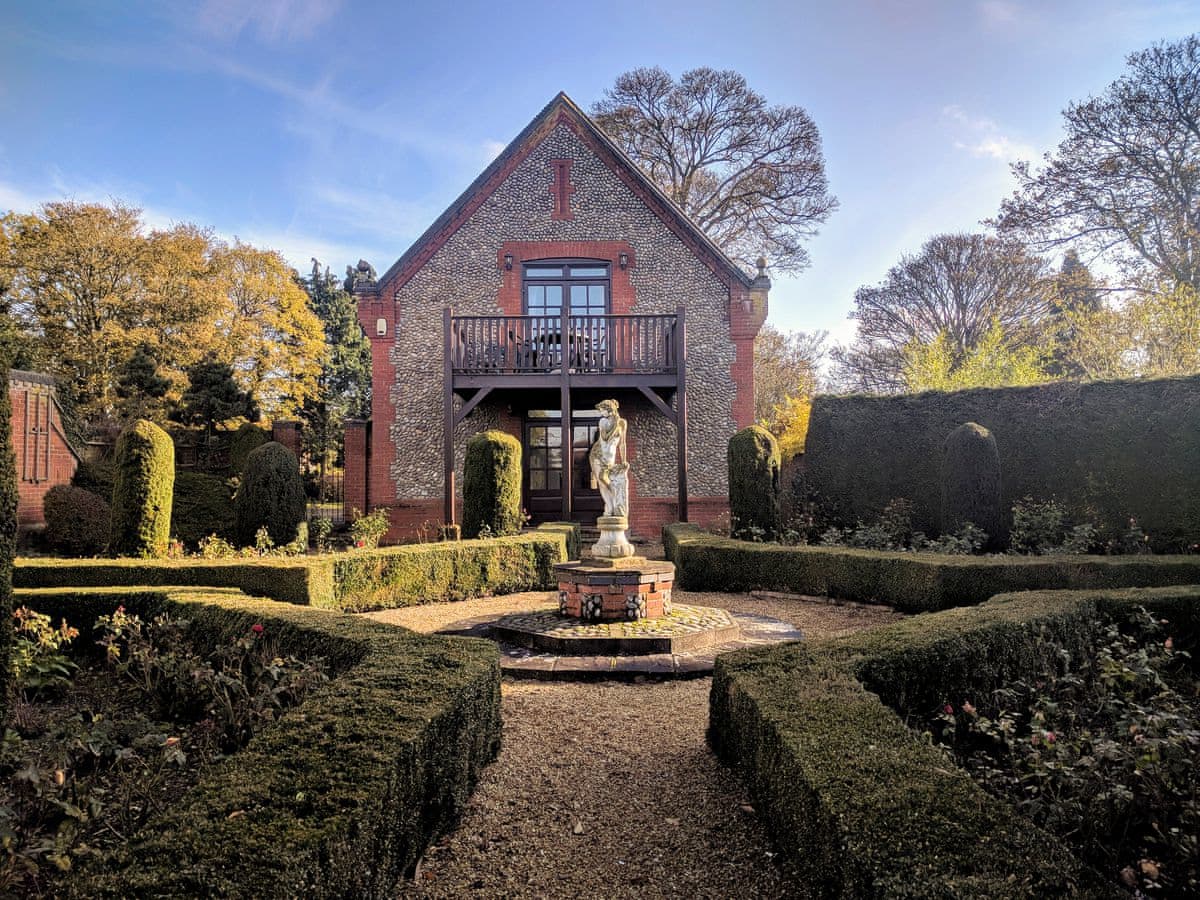
1.9 miles away
2.2 miles away

2.5 miles away
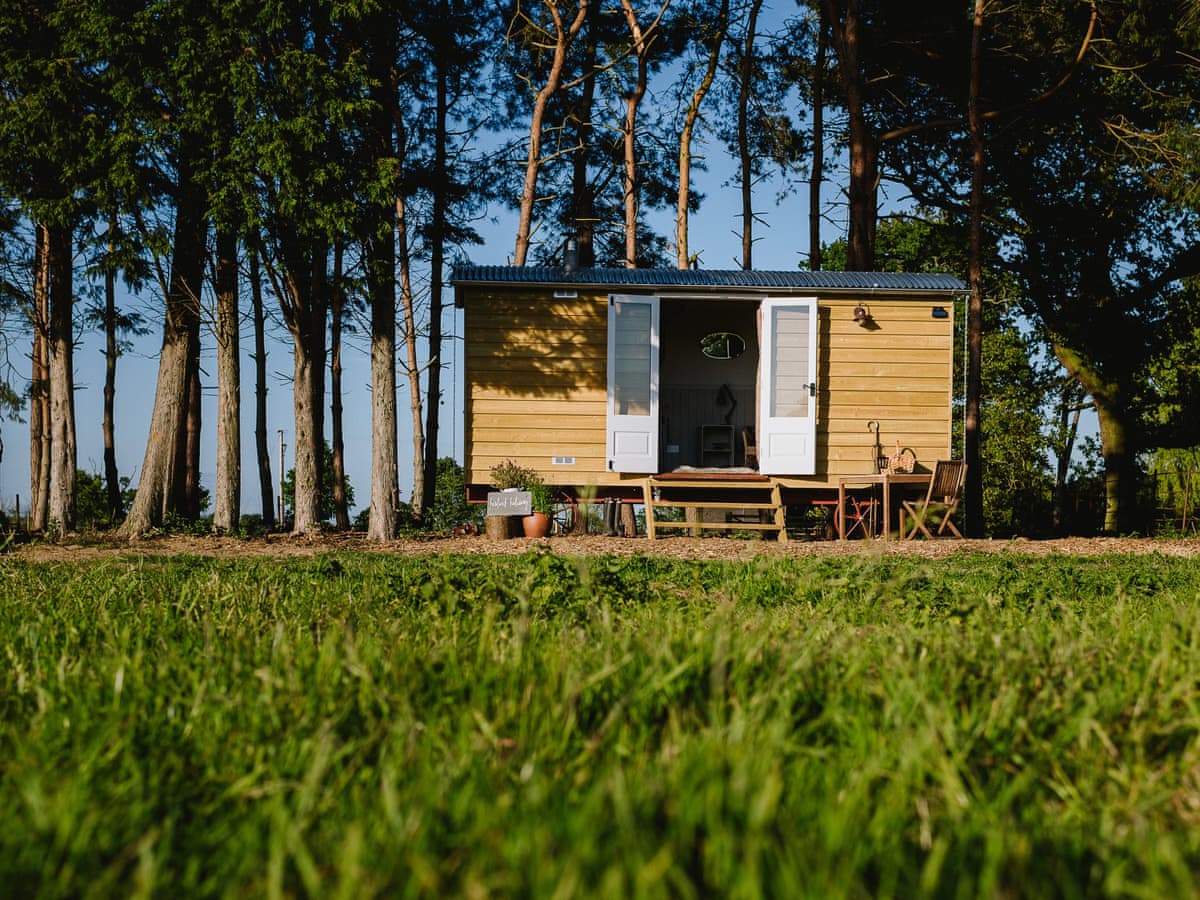
2.5 miles away
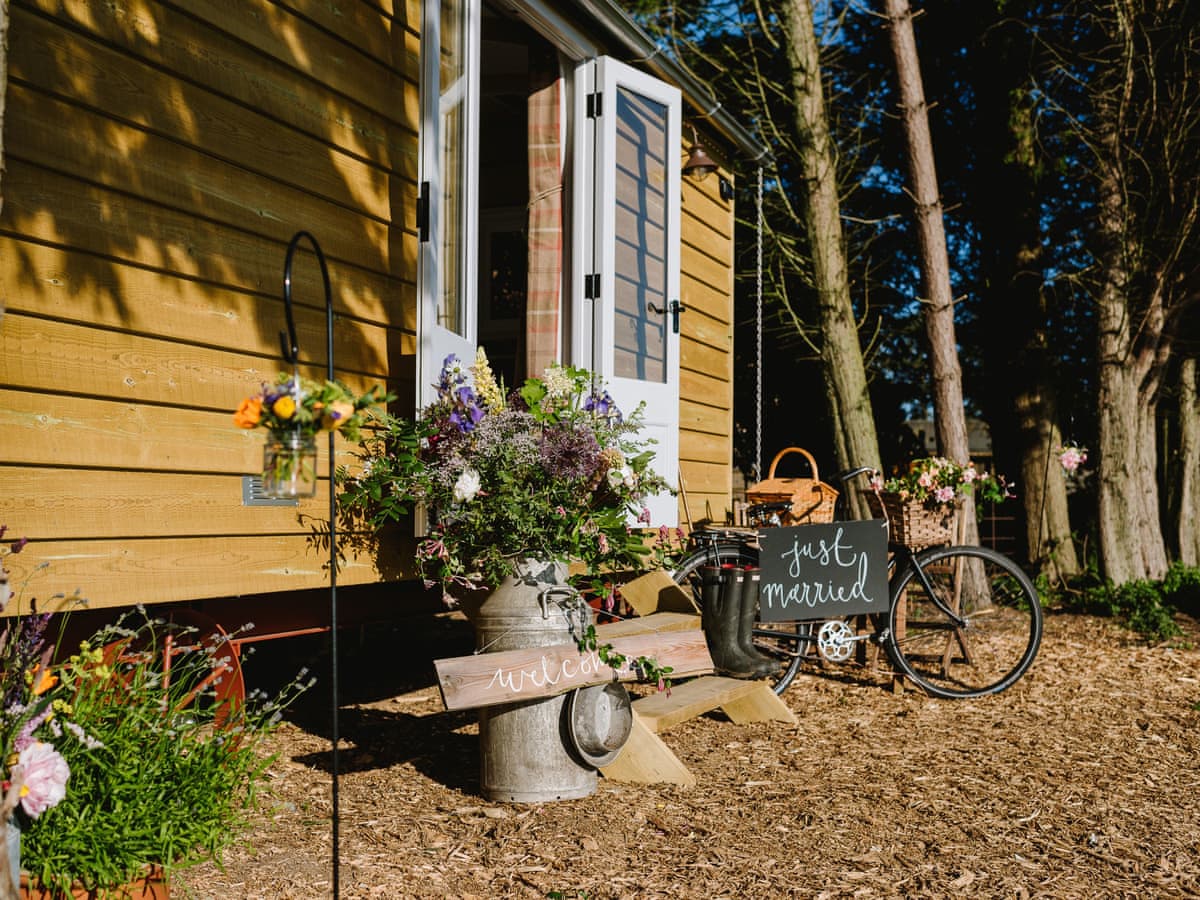
2.5 miles away
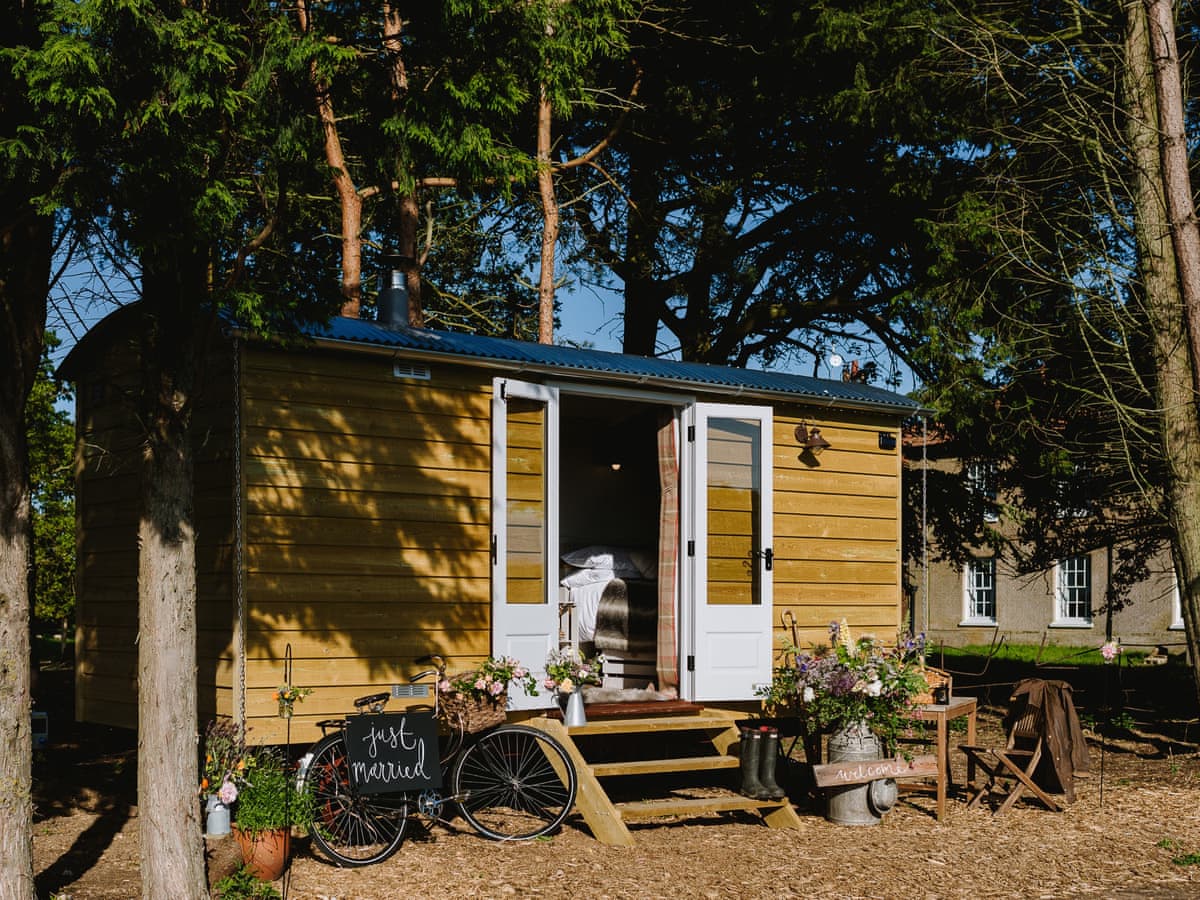
2.7 miles away
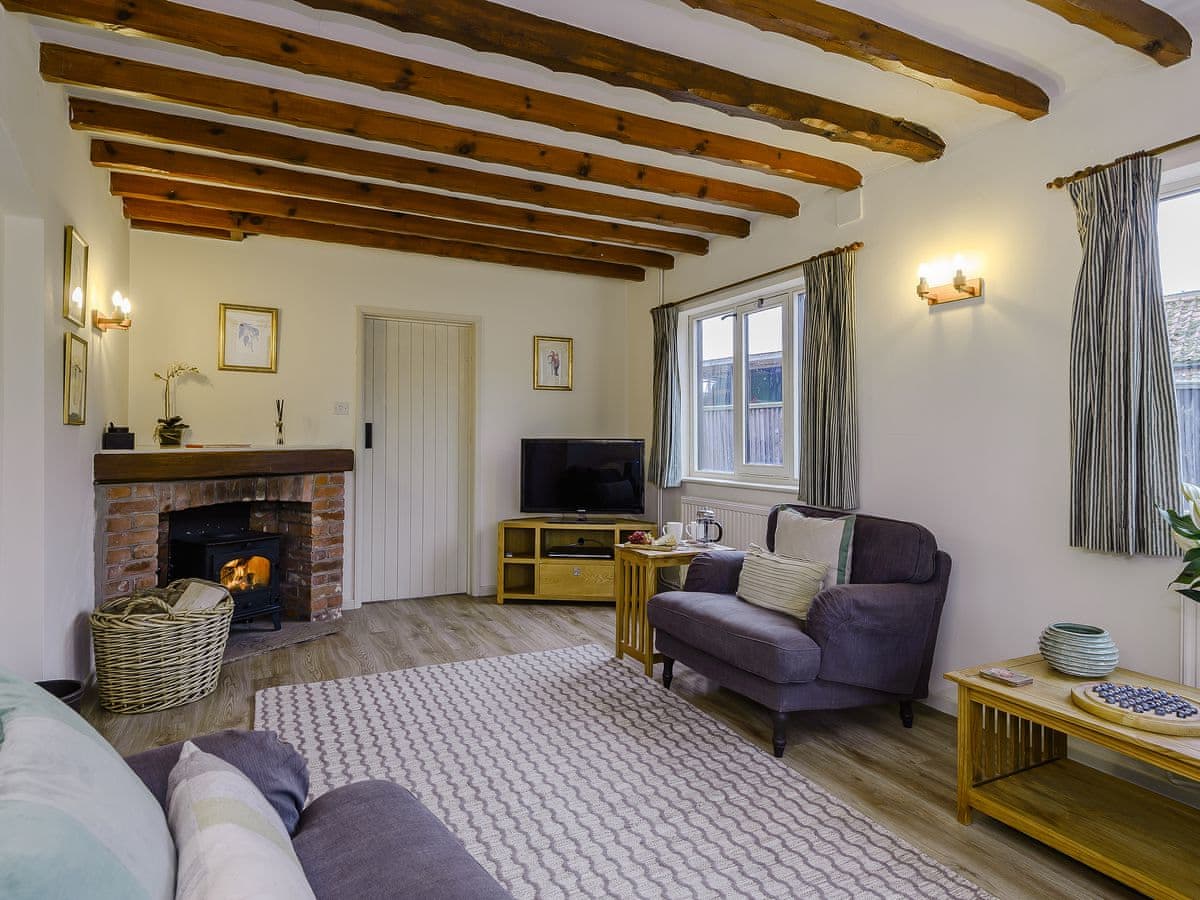
2.9 miles away
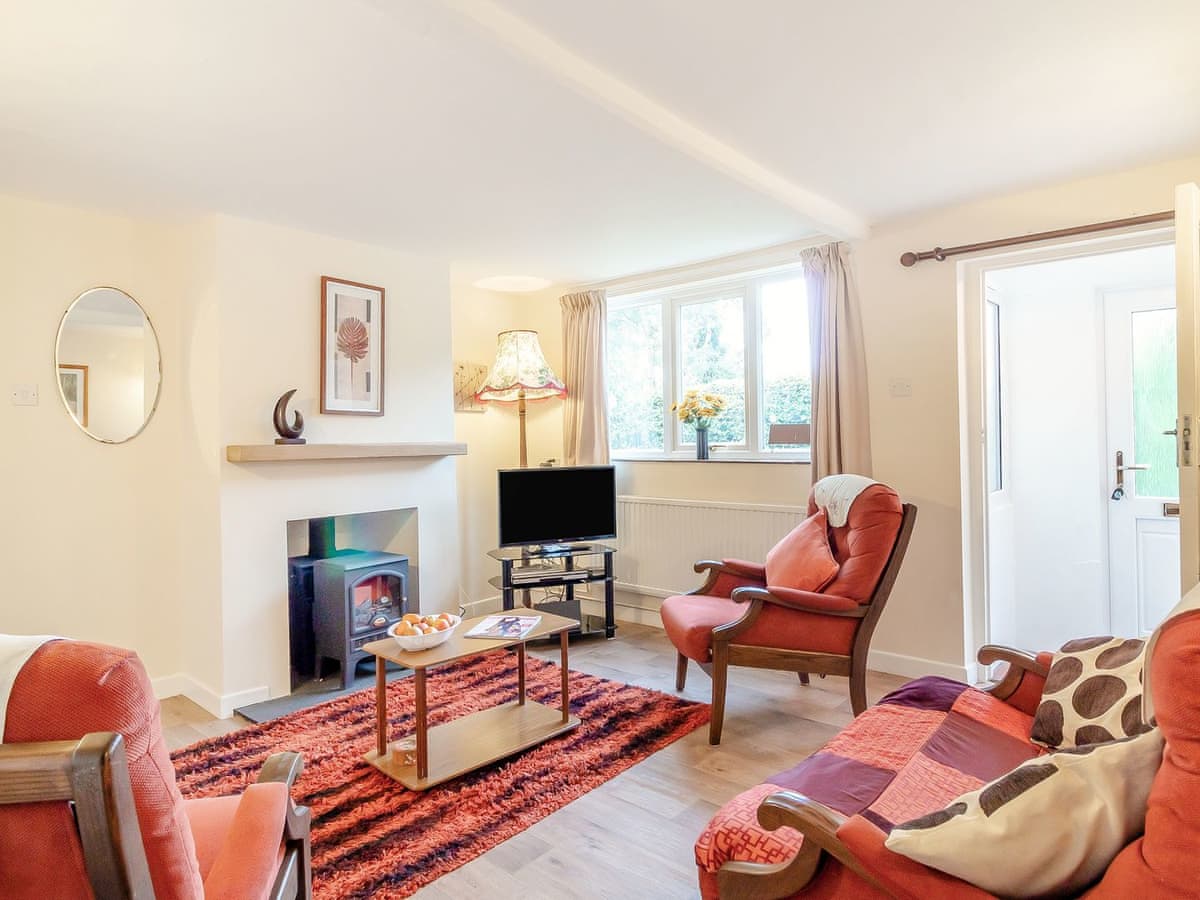
2.9 miles away

Raynham Hall: your questions answered
Is Raynham Hall haunted? +
Raynham Hall is reportedly haunted by the Brown Lady, identified with Dorothy Walpole, Lady Townshend, who died there in 1726. Sightings have been claimed since the early 1800s, including by Captain Frederick Marryat in 1836 and Lady Townshend in 1926, and a Country Life photograph taken on the staircase in 1936 appears to show her.
Who was the Brown Lady of Raynham Hall? +
The Brown Lady is said to be Dorothy Walpole, born 1686, sister of Sir Robert Walpole and wife of Charles "Turnip" Townshend, 2nd Viscount, from 1713. She died of smallpox in 1726 aged 39; legend claims her husband had locked her away in the house. She is named for the brown dress witnesses describe.
Is the Brown Lady photograph real? +
It is disputed. Photographers Hubert Provand and Indre Shira insisted the image, taken on 19 September 1936 and published in Country Life that December, was genuine, and the Society for Psychical Research reportedly found no evidence of tampering. Most critics think it is a double exposure or a figure under a sheet.
Can you visit Raynham Hall? +
Only by booking. Raynham Hall is the private home of the Marquess and Marchioness Townshend, who offer guided tours on selected dates and pre-arranged group visits; the estate has said hall tours return in 2026. Check the Raynham Estate website for dates. The park and drives are otherwise private.
Can you stay at Raynham Hall? +
Not in the hall, which is a family home. The Raynham Estate does offer glamping in designed yurts at Wild Meadow on the River Wensum, about four miles south of Fakenham, which is the closest you can sleep to the Brown Lady. Fakenham and the north Norfolk coast have plenty of inns and B&Bs.
Your experiences at Raynham Hall
Been on the tour, stayed the night, felt the cold spot for yourself? Tell the next visitor what happened — and if nothing did, that counts too.
No visitor stories yet — been to Raynham Hall? Yours would be the first.
Log in or create a free account to share your experience — accounts also save your trips and credit your photos.
More haunted places near Fakenham
Within 40 miles — enough for a haunted weekend tour.

🏛️ Stately home · Norfolk · 18.5 mi
Blickling Hall
Anne Boleyn's headless coach, a cursed father crossing bridges before cockcrow and a duelling knight: the Nati...
5 ghosts Stay overnight

👻 Haunted place · Norfolk · 0.0 mi
Brown Lady of Raynham Hall
The Brown Lady of Raynham Hall is a ghost that reportedly haunts Raynham Hall in Norfolk, England. It became...

👻 Haunted place · Norfolk · 0.5 mi
East Raynham
East Raynham is a village and former civil parish, now in the parish of Raynham, in the North Norfolk district...
👻 Haunted place · Hunstanton · 8.0 mi
RAF Bircham Newton
Royal Air Force Bircham Newton or more simply RAF Bircham Newton is a former Royal Air Force station located 2...

👻 Haunted place · Hunstanton · 10.1 mi
Docking, Norfolk
Docking is a village and ancient civil parish in the King's Lynn and West Norfolk borough of Norfolk, England....

👻 Haunted place · Norfolk · 10.9 mi
Norfolk
Norfolk is a ceremonial county in England, located in the East of England and East Anglia. It borders Lincolns...
Sources and further reading
- The day a Country Life photographer captured an image of a ghost — Country Life
- Famous Norfolk Ghost Photograph: The Brown Lady of Raynham Hall — Norfolk Folklore Society
- Part Two: The Mysterious Brown Lady of Raynham Hall – sightings — The Haunted Palace Blog
- A Concise Architectural History of Raynham Hall, Norfolk — Art & the Country House
- Raynham Hall – Historic Family Home in Norfolk — Raynham Estate
- Townshend Family – History & Leadership at Raynham Estate — Raynham Estate
Researched by the BritStays Haunted Britain team; last updated 13 September 2026. Spotted something we've got wrong, or have your own story from Raynham Hall? We'd love to hear it.