

👻 Haunted place
HM Prison Shepton Mallet
The UK's oldest operating prison until 2013 — four centuries of hard labour, wartime deaths and unmarked graves behind a Somerset gatehouse.
Photo: Wikipedia
Stand on the pavement outside and the gatehouse gives little away: a tidy Somerset frontage from the building work of the 1830s and 1840s, Grade II listed. Step through, and the scale of the place rearranges itself — stone wings, iron landings, a quadrangle of an exercise yard closed in on every side. This is Cornhill, and until it was decommissioned in 2013 it was the oldest operating prison in the United Kingdom.
It had been receiving prisoners, on and off, since before 1625: men, women and children; soldiers of all three armed services; and, during the Second World War, important records brought down from the Public Record Office in London, among them the Domesday Book of 1086.
Visitors come now for guided tours, and for the organised public ghost hunts run here after dark by event companies. The stories worth carrying away, though, are mostly the documented ones — and they are sombre enough without embellishment.
🔦 You can join an organised ghost hunt here. Companies such as Haunted Happenings and Haunted Heritage run public overnight events at this venue — vigils, séances and all the kit in our sidebar.
Hauntings are told as reported — by owners, guests, guides and investigators — never as fact. The history underneath is often real, and sometimes tragic; we treat it with respect. Background from Wikipedia and the sources listed below.
The history behind the hauntings
The house of correction was established in 1625 to satisfy King James I's Bridewell Act of 1610, which required every county to have one; the building and an acre of ground were bought from the Reverend Edward Barnard for £160. By the end of the First English Civil War in 1646 it was already described as being in poor repair. Prisoners of all ages and both sexes were held together in conditions reported as dreadful, and the gaoler drew no wage, making his living instead from fees charged to those in his care — for supplying them with liquor, among other things. A commissioner appointed by Parliament reported in 1773 that sanitation here was extremely poor; in his report on the country's prisons he wrote of men who "went in healthy" and within months were "emaciated, dejected objects", some "expiring on the floors, in loathsome cells".
Land was bought in 1790 to extend the prison, and around this time men and women began to be held in separate areas; further extensions followed between 1817 and 1822. A critical report by Sir John Hippisley in 1822 prompted a five-year expansion plan, and in 1823 a large treadwheel designed by William Cubitt and built by Stotherts of Bath was installed: forty men at a time would tread it for hours, driving a grain mill outside the wall, a punishment recorded as causing hernias in some convicts. It remained in use until 1890, while other prisoners broke stones for roadbuilding or picked oakum. The chapel was built in 1840, and in 1843 a second storey was added to each wing to increase the number of cells — government inspectors having reported the year before that the prison was "in greatest want of new cells for the purpose of dividing the prisoners from each other".
Death is part of the record here, and plainly stated. During the Bloody Assizes that followed the Monmouth Rebellion, at least twelve local men were held at the gaol before being hanged, drawn and quartered at the Market Cross. Seven judicial executions took place within the walls between 1889 and 1926 — the total for the prison's earlier years is unknown — and those hanged were buried in unmarked graves inside the prison, as was then customary.
Fire broke out in C block on the night of 2 July 1904; prisoners worked the hoses and pumps alongside warders and four fire brigades, there were no fatalities, and not one prisoner attempted to escape. The prison closed in September 1930 as under-used, standing empty but for a caretaker until it reopened in October 1939 as a military prison — first British, later American, the latter building a new execution block. After the war it continued as a military "glasshouse" until returning to civilian use in 1966, finishing its working life as a category C lifer prison holding 189 men.
The ghosts of HM Prison Shepton Mallet
2 reported apparitions, as the stories are told.
👻 The Three Soldiers of Room 142
Room 142, close to the B1 landing
In November 1940, with the prison in military use and crowded enough that some men were living in huts in the yard, four soldiers were held together in room 142, close to the B1 landing. Three of them — Frank Girvan of Fife, Glen Roy Williams of Bridgend and Harold Smith of Manchester — died of asphyxiation and carbon monoxide poisoning; the fourth man survived. This is recorded history rather than legend, and we have no reported sightings or phenomena to pass on from that room. We would rather name the three men than invent something to happen in their cell.
👻 The Unmarked Graves
Within the prison walls
Seven men were hanged inside Shepton Mallet between 1889 and 1926, and their remains were buried in unmarked graves within the walls, as British custom then dictated. We have no documented accounts of anything witnessed at those graves to pass on — only the names, the dates, the crimes behind them, and the fact that the graves were never marked.
HM Prison Shepton Mallet in photos
Click any photo to enlarge
📷 Been here? Add your photo
Visiting HM Prison Shepton Mallet
The prison was decommissioned in 2013 and now operates as a tourist attraction, with guided tours and other activities. A daytime tour is the best way to take in the documented history — the treadwheel, the 1904 fire, the wartime years — and the listed fabric itself: the Grade II* listed prison building, with its Grade II gatehouse and perimeter walls.
Organised public ghost hunts are also held at the venue by event companies, and booking onto one is the only sensible way to see the place after dark; this is private property, and there is no casual wandering. Book ahead, dress for cold stone and unheated landings whatever the season, and bear in mind that real people died here — the three soldiers of room 142 among them.
Where to stay near HM Prison Shepton Mallet
Nearest first — every distance measured from HM Prison Shepton Mallet itself. Make a weekend of it.
0.2 miles away

0.2 miles away

0.6 miles away
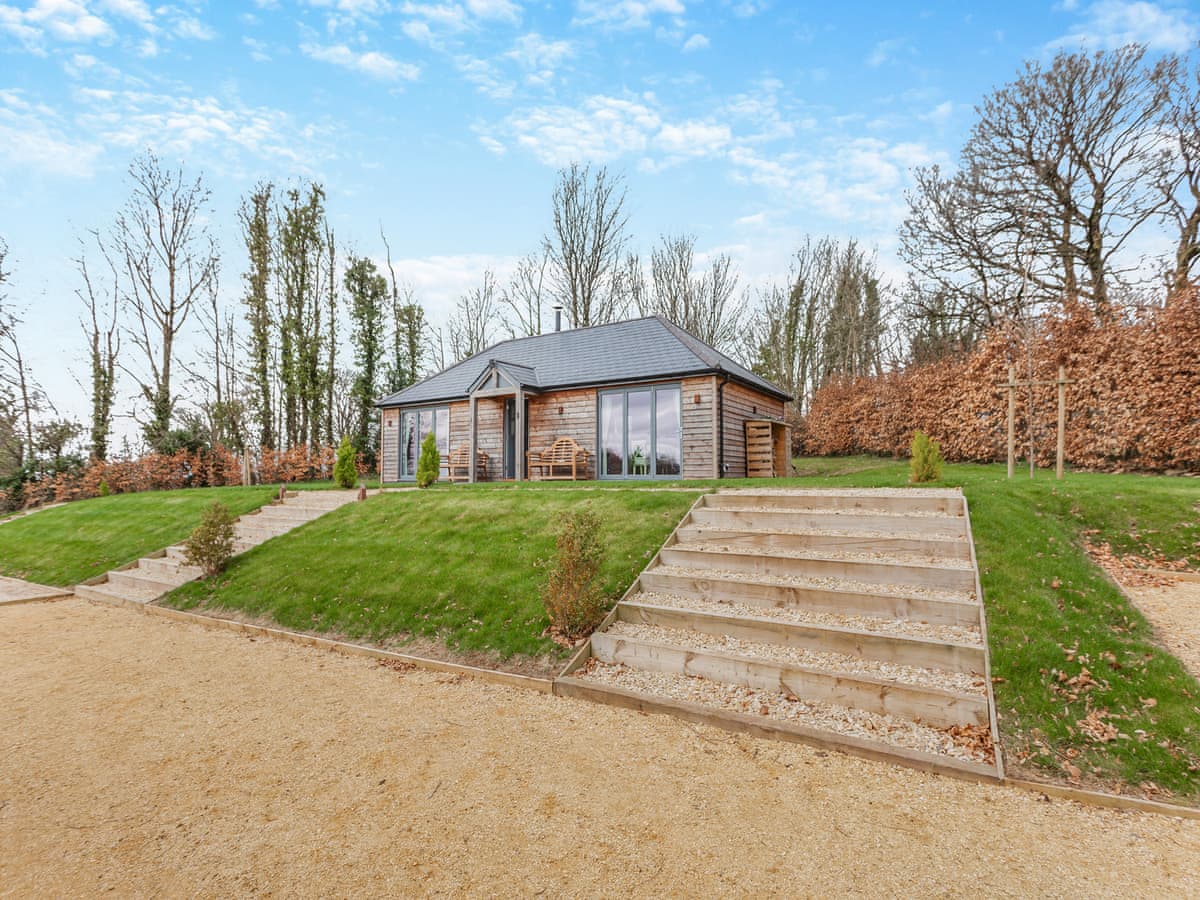
The Lodge at Edenbridge
✓ Offers horse riding and fishing for active guests
Shepton Mallet, South West England
£507 per break
Check availability0.8 miles away
1.4 miles away
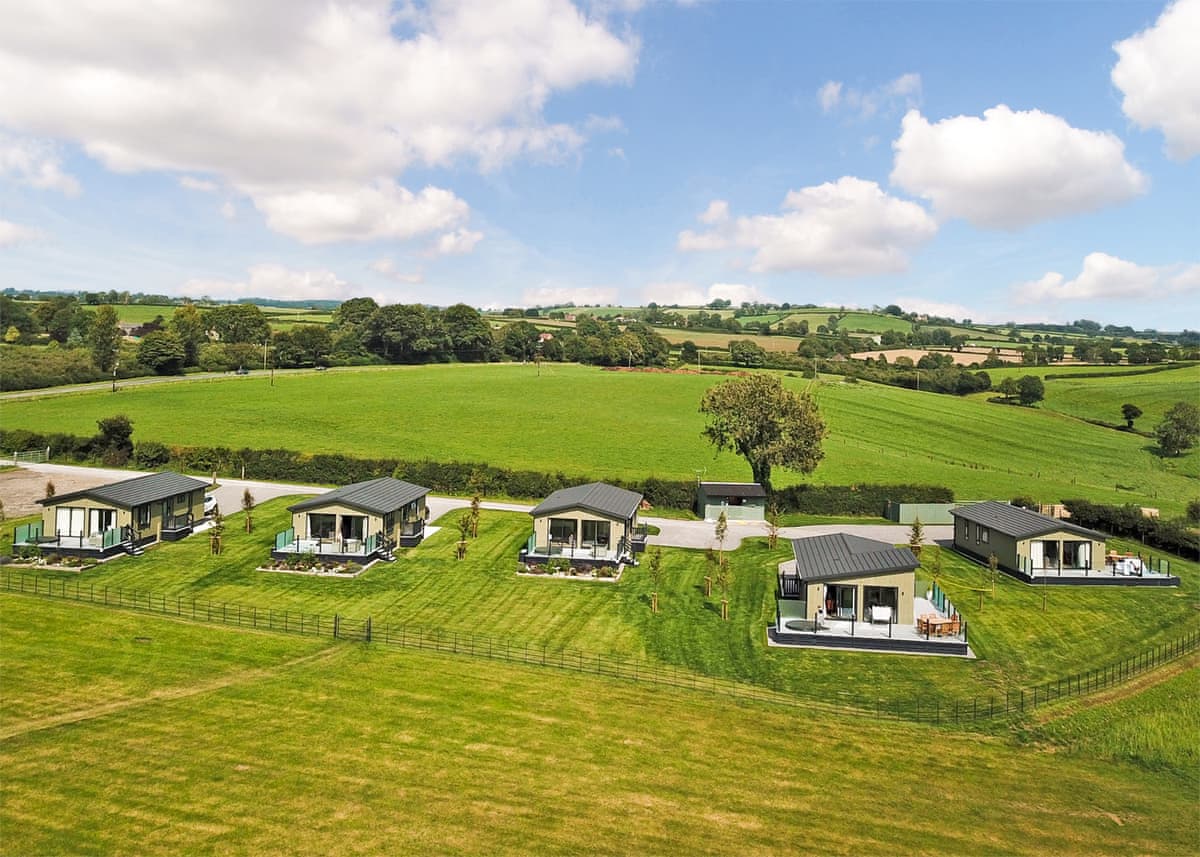
Midsomer Lodges
✓ Spectacular views of Glastonbury Tor and Somerset countryside
Midsomer House, East Compton, South West England
£795 per break
Check availability1.4 miles away
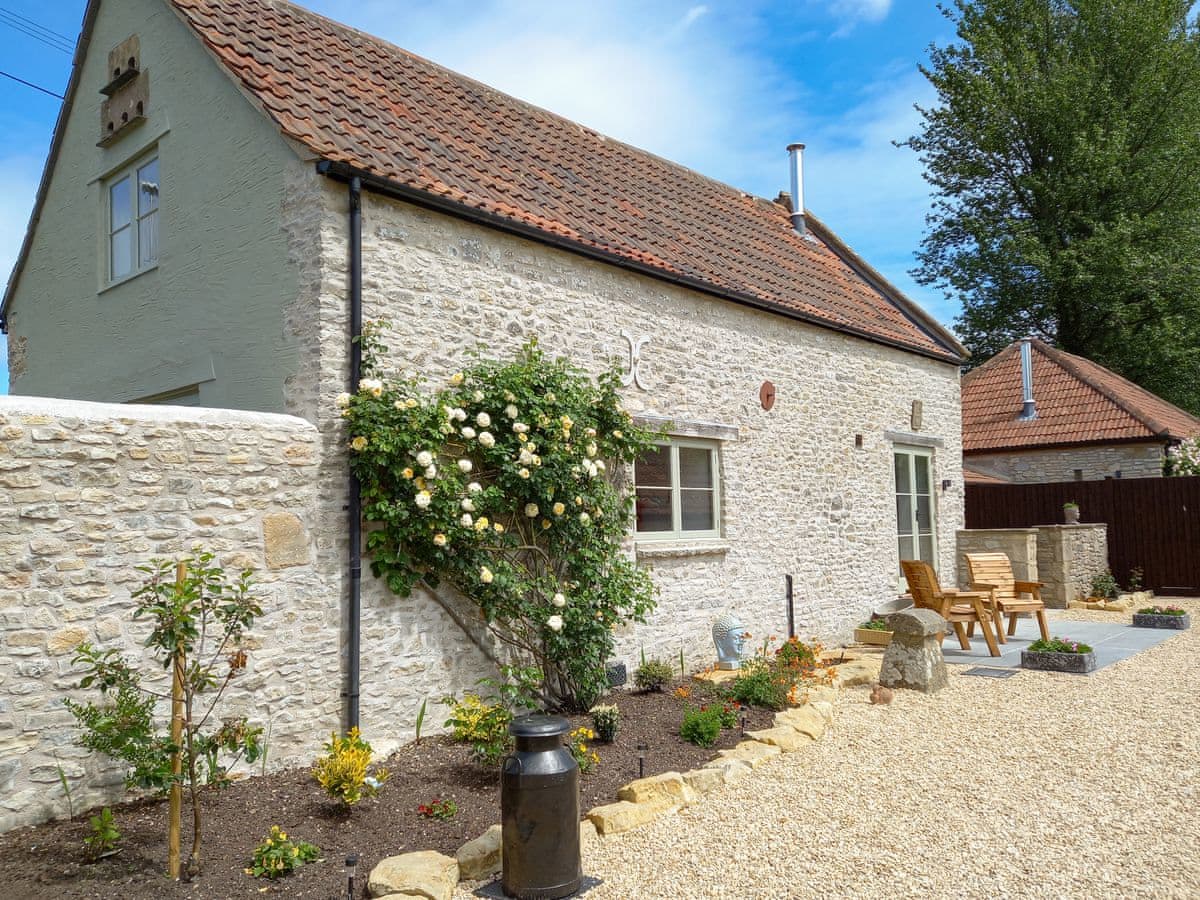
1.4 miles away
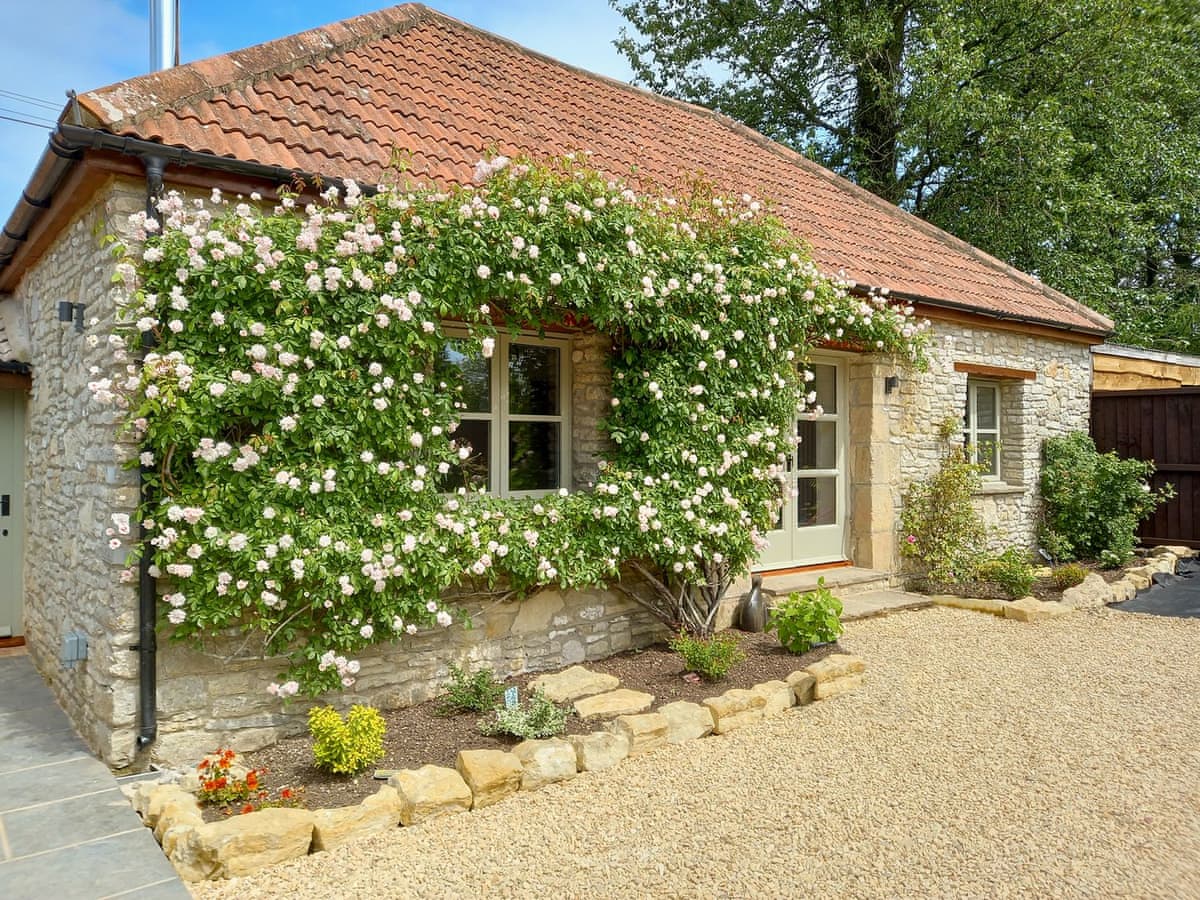
1.4 miles away
1.5 miles away
HM Prison Shepton Mallet: your questions answered
When did HM Prison Shepton Mallet close? +
It was decommissioned in 2013. At that point it was the United Kingdom's oldest operating prison, having taken that title after HMP Lancaster Castle closed in 2011. Before closure it was a category C lifer prison holding 189 prisoners.
How many executions took place at Shepton Mallet? +
The total for the prison's early years is unknown, but seven judicial executions are recorded within the walls between 1889 and 1926. Those executed were buried in unmarked graves inside the prison, as was customary at the time.
Is it true the Domesday Book was kept at the prison? +
Yes. During the Second World War the prison was used to store important historical documents from the Public Record Office in London, including the Domesday Book of 1086.
Can you visit the prison today? +
You can. Since decommissioning in 2013 it has served as a tourist attraction with guided tours and other activities, including organised public ghost hunts run by event companies.
Your experiences at HM Prison Shepton Mallet
Been on the tour, stayed the night, felt the cold spot for yourself? Tell the next visitor what happened — and if nothing did, that counts too.
No visitor stories yet — been to HM Prison Shepton Mallet? Yours would be the first.
Log in or create a free account to share your experience — accounts also save your trips and credit your photos.
More haunted places near HM Prison Shepton Mallet
Within 40 miles — enough for a haunted weekend tour.

👻 Haunted place · Monmouthshire · 29.1 mi
Caldicot Castle 🔦
A Norman stronghold turned Victorian family home, where the Woodstock tower still carries the name of a king's...
1 ghosts

🏛️ Stately home · Dorset · 32.0 mi
Athelhampton House
A Tudor manor in Thomas Hardy country with a Grey Lady, a phantom ape in the panelling and a cooper still tapp...
5 ghosts Ghost tours Stay overnight

🏚️ House · Gloucestershire · 32.0 mi
The Ancient Ram Inn
A lopsided former inn on a Cotswold back street, said to stand on a pagan burial ground and to house England's...
5 ghosts Ghost tours

👻 Haunted place · Weymouth · 33.1 mi
Shire Hall, Dorchester 🔦
An 18th-century courthouse in Dorchester, where the Tolpuddle Martyrs were sentenced — and where organised gho...
1 ghosts

👻 Haunted place · Weymouth · 33.1 mi
HM Prison Dorchester 🔦
A Victorian gaol raised over a Roman town house, silent since 2014 — a place where the history is documented a...
1 ghosts

🏛️ Stately home · Gloucestershire · 37.7 mi
Woodchester Mansion 🔦
A Victorian Gothic mansion abandoned mid-build in a hidden Cotswold valley, never lived in and, they say, neve...
5 ghosts Ghost tours
Sources and further reading
- HM Prison Shepton Mallet — Wikipedia — Wikipedia
Researched by the BritStays Haunted Britain team; last updated 13 October 2026. Spotted something we've got wrong, or have your own story from HM Prison Shepton Mallet? We'd love to hear it.