

🏚️ Haunted house · Sudbury, Essex, England
Borley Rectory
The phantom nun, the wall writings and Harry Price: the story behind "the most haunted house in England" and what is left to see
Photo: Wikipedia
Borley Rectory earned its title as "the most haunted house in England" long before anyone had heard of ghost-hunting television. The ghosts of Borley Rectory – a sorrowful nun, a phantom coach and a set of pencilled pleas scrawled on the walls – became a national talking point in the 1930s, when the psychical researcher Harry Price turned a gloomy Victorian parsonage on the Essex–Suffolk border into the most written-about haunted house in the country.
The rectory itself is gone. It was gutted by fire in February 1939 and the shell was demolished in 1944, and the site is now private land in the tiny hamlet of Borley, a few minutes from Sudbury. What draws visitors today is the twelfth-century Borley Church across the lane, which has quietly gathered its own reputation for footsteps, organ music and a figure in the churchyard.
This guide untangles the history from the legend: the Bull family and the nun of 1900, the Foysters and the wall writings, Price's year-long investigation, the séance that named a murdered novice, and the sceptical verdict that followed. It also explains what you can actually see at Borley today, how to visit respectfully, and where to stay nearby in Sudbury and the Stour Valley.
Hauntings are told as reported — by owners, guests, guides and investigators — never as fact. The history underneath is often real, and sometimes tragic; we treat it with respect. Background from Wikipedia and the sources listed below.
The history behind the hauntings
Borley Rectory was built in 1862 by the Reverend Henry Dawson Ellis Bull, rector of Borley Church, as a home large enough for himself and a family of fourteen children. It was a plain red-brick house of many rooms and dark corridors, and stories attached to it almost from the start. Local legend spoke of a monastery once standing on the site and of a monk and a nun who tried to elope, were caught, and were killed – the nun supposedly walled up alive. Historians have found no evidence for the monastery, but the tale gave the house its signature ghost.
Henry Bull died in 1892 and his son, the Reverend Henry "Harry" Foyster Bull, succeeded him. On the evening of 28 July 1900 four of the rector's daughters, returning from a garden party, reported seeing a young woman in the habit of a nun in the grounds; three of the sisters, Ethel, Freda and Mabel, were said to have been petrified with fear. The nun sighting became the cornerstone of everything that followed.
By 1929 the rectory had new occupants and the newspapers had taken an interest; Harry Price, already a well-known investigator, paid his first visits that summer. In October 1930 the Reverend Lionel Algernon Foyster, his wife Marianne and their daughter Adelaide moved in, and the five years of the Foyster tenancy produced the most intense reports of all, including the famous writings on the walls. The house was badly damaged by fire on the night of 27 February 1939, shortly after a retired army officer, Captain W. H. Gregson, had bought it. The ruin was finally pulled down in 1944.
The ghosts of Borley Rectory
4 reported apparitions, as the stories are told.
👻 The Nun
The garden and the so-called Nun's Walk
The nun is Borley's defining ghost: a bowed figure in a dark habit said to drift along a path in the rectory garden that came to be called the Nun's Walk. The Bull sisters' sighting of 28 July 1900 is the best-known account, but the family and later occupants reportedly saw her many times. The legend attached to her – a novice killed after a doomed romance with a monk from a monastery on the site – has no historical basis, and a 1938 séance later supplied a different identity, "Marie Lairre". Since the rectory burned down, visitors have reported a sad-faced nun in the churchyard opposite instead.
👻 Marie Lairre
Named at a planchette séance; said to be buried in the cellars
In March 1938 Helen Glanville, daughter of Price's leading helper S. H. Glanville, held a planchette session in Streatham, south London, and the "spirit" that came through claimed to be a nineteen-year-old French nun named Marie Lairre. She had, the messages said, come to Borley from a convent at Le Havre and been murdered and buried near the rectory by a member of the Waldegrave family, the local landowners, on 17 May 1667. When Price dug in the cellars in August 1943 he found fragments of a jawbone and skull, which he had buried at Liston churchyard in May 1945 after Borley parish declined, suspecting they were animal bones.
👻 The wall writings
Passages and walls throughout the house, 1930–35
The most unsettling phenomenon of the Foyster years was writing that appeared in pencil and charcoal on the walls, much of it addressed to Marianne Foyster: messages such as "Marianne, I cannot get out" and pleas for "light, mass, prayers". The scrawls were photographed and became the signature image of the haunting, seeming to give the house a voice. They are also its most disputed evidence. Marianne herself later admitted, in 1947, that she had faked some of the writings and bell-ringing, and in 2000 a family friend, Louis Mayerling, published a book claiming that he and the Foysters had staged tricks to draw attention to the cash-strapped household.
👻 Harry Bull and the phantom coach
The lane, the grounds and the churchyard
Alongside the nun, Borley lore describes a coach and horses racing through the grounds and along the lane – part of the elopement legend, in which the monk and nun were supposedly carried off in it before being caught. A later addition is the Reverend Harry Bull himself, the rector who grew up with the stories. A group of ghost hunters from London reportedly saw a man smoking an old-fashioned pipe standing beneath a tree in the churchyard; one of them later decided that the figure resembled Harry Bull, who had spent most of his life in the house.
Sightings, investigations and published accounts
Harry Price is the reason the world knows Borley. He first visited in 1929, and in May 1937 he leased the by-then-empty rectory for twelve months, advertising in The Times on 25 May for helpers. Around 48 unpaid "official observers", mostly students, spent weekends there under instruction to log anything unusual. Their reports, the wall writings and the planchette sessions fed his 1940 bestseller The Most Haunted House in England, and the affair filled newspapers for years afterwards. At a séance on 27 March 1938 a spirit calling itself "Sunex Amures" declared the rectory would burn that night at nine o'clock. It did not – but when it did burn eleven months later, in February 1939, after Captain Gregson reportedly knocked over an oil lamp while unpacking, the prophecy was remembered.
The sceptical case is strong and worth knowing. Charles Sutton, a Daily Mail reporter who accompanied Price in 1929, later said that after a pebble struck him on the head he grabbed Price and found the investigator's coat pockets full of stones. After Price's death in 1948 the Society for Psychical Research commissioned Eric Dingwall, Mollie Goldney and Trevor Hall to re-examine the case; their 1956 report, The Haunting of Borley Rectory, concluded that Price had fraudulently produced some phenomena and that the rest could have natural explanations – rodents, illusions, outside noises. "The question as to whether Price presented a deliberately distorted account of the Borley affair in his books," they wrote, "is not, we think, now in doubt."
Yet the reports did not stop when the house came down. Borley Church, which was largely ignored while the rectory drew the crowds, is now the focus. Visitors and investigators have reported organ music from a locked and empty church, footsteps walking towards the door followed by the sound of a key turning, thumps and bell-ringing after hours, a monk-like figure squatting in a corner as if hiding, and the sad nun in the churchyard. One paranormal group's recorder is claimed to have picked up a deep, mournful sigh and a groan. Believe what you will: Borley remains the case that every later British ghost investigation is measured against.
Borley Rectory in photos
Click any photo to enlarge
📷 Been here? Add your photo
Visiting Borley Rectory
Be clear about what is and is not there. Borley Rectory no longer exists: the fire of 1939 gutted it, the ruin was cleared in 1944, and its site is private land with modern homes on and around it. There is nothing of the house to see and no public access to the plot, so please do not wander onto private drives or gardens, peer into windows or arrive at night with torches. Borley is a working hamlet where a handful of people live, and they have put up with generations of ghost-hunters.
What you can visit is Borley Church, a twelfth-century parish church across the lane from the old rectory site, which is open to the public and worth the trip in its own right, with a peaceful, atmospheric interior and a churchyard that has become the focus of most modern reports. Nearby you can also see the former Rectory Cottage, Borley Place and the Tithe Barn from the road. Park considerately in the village or walk in from Long Melford, and combine your visit with Sudbury, the Stour Valley and the timber-framed villages of the Essex–Suffolk border. There are no organised ghost tours at Borley, and no one can stay in the rectory; base yourself in Sudbury, Long Melford or Lavenham instead.
Where to stay near Borley Rectory
Nearest first — every distance measured from Borley Rectory itself. Make a weekend of it in Sudbury.
1.7 miles away

1.7 miles away

1.8 miles away

George and Dragon Hotel
✓ Traditional pub with 15 comfortable rooms near Sudbury
🏖️ 2.98 miles from Friars Meadow, River Stour (Good water quality)
Sudbury
2.0 miles away
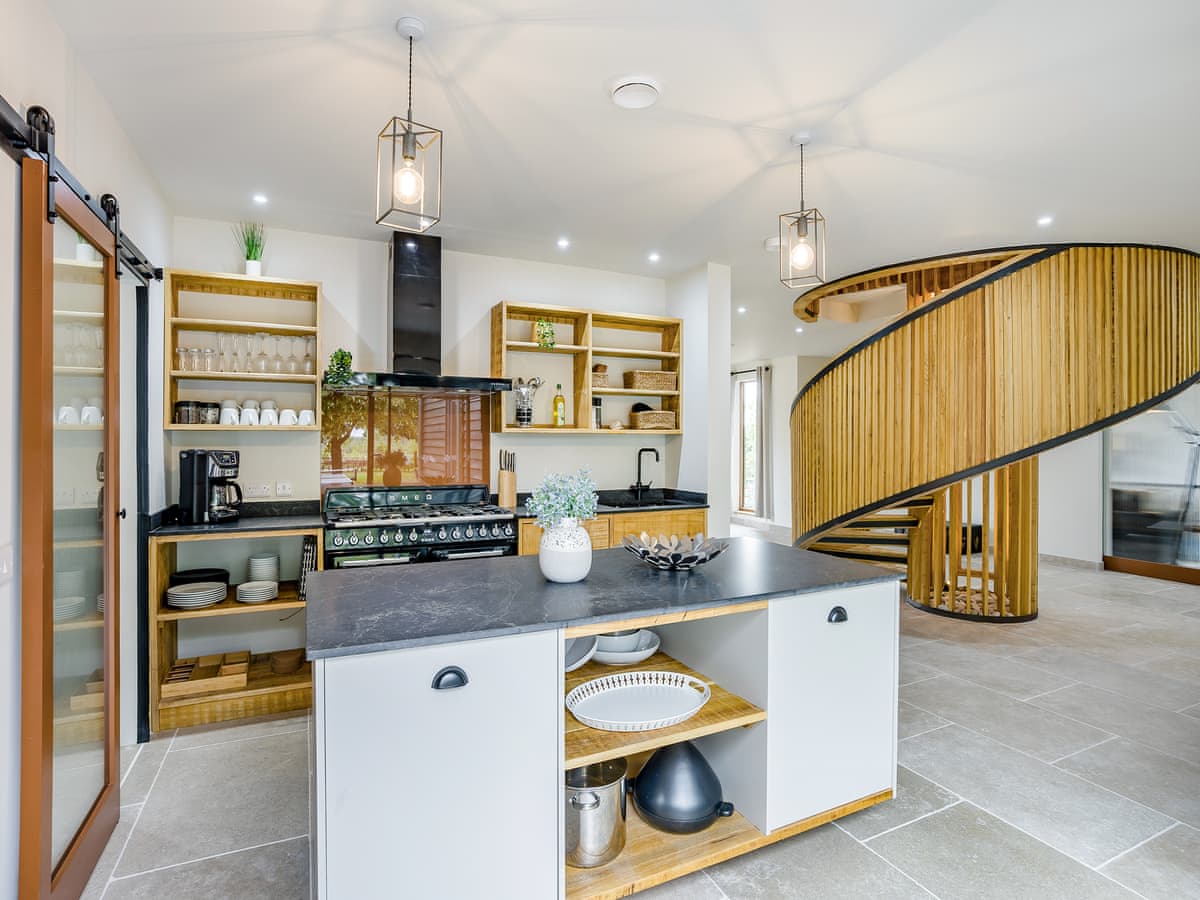
Lime Tree House
🏖️ 2.49 miles from Friars Meadow, River Stour (Good water quality)
Sudbury, East Anglia
£2,956 per break
Check availability2.0 miles away
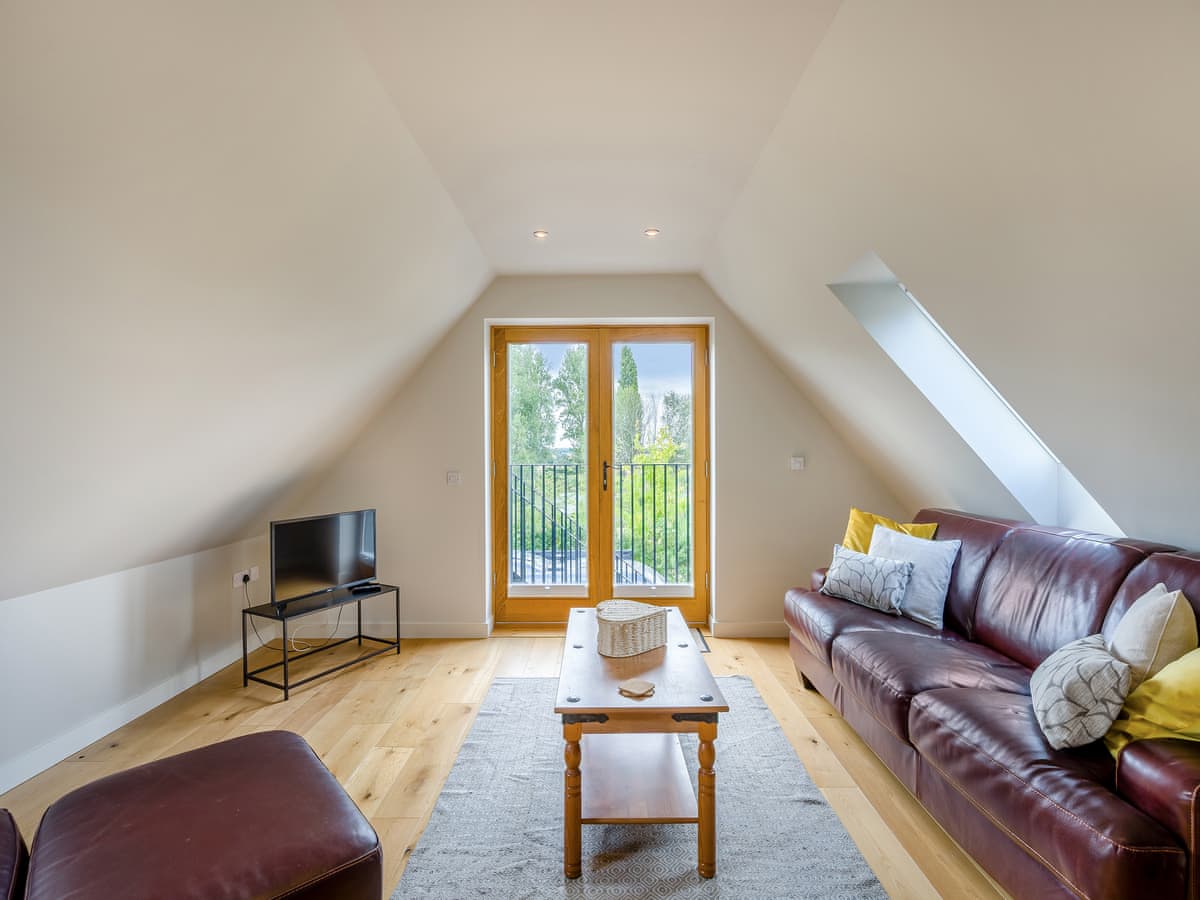
Pond View Loft
🏖️ 2.45 miles from Friars Meadow, River Stour (Good water quality)
Colchester, East Anglia
£467 per break
Check availability2.0 miles away
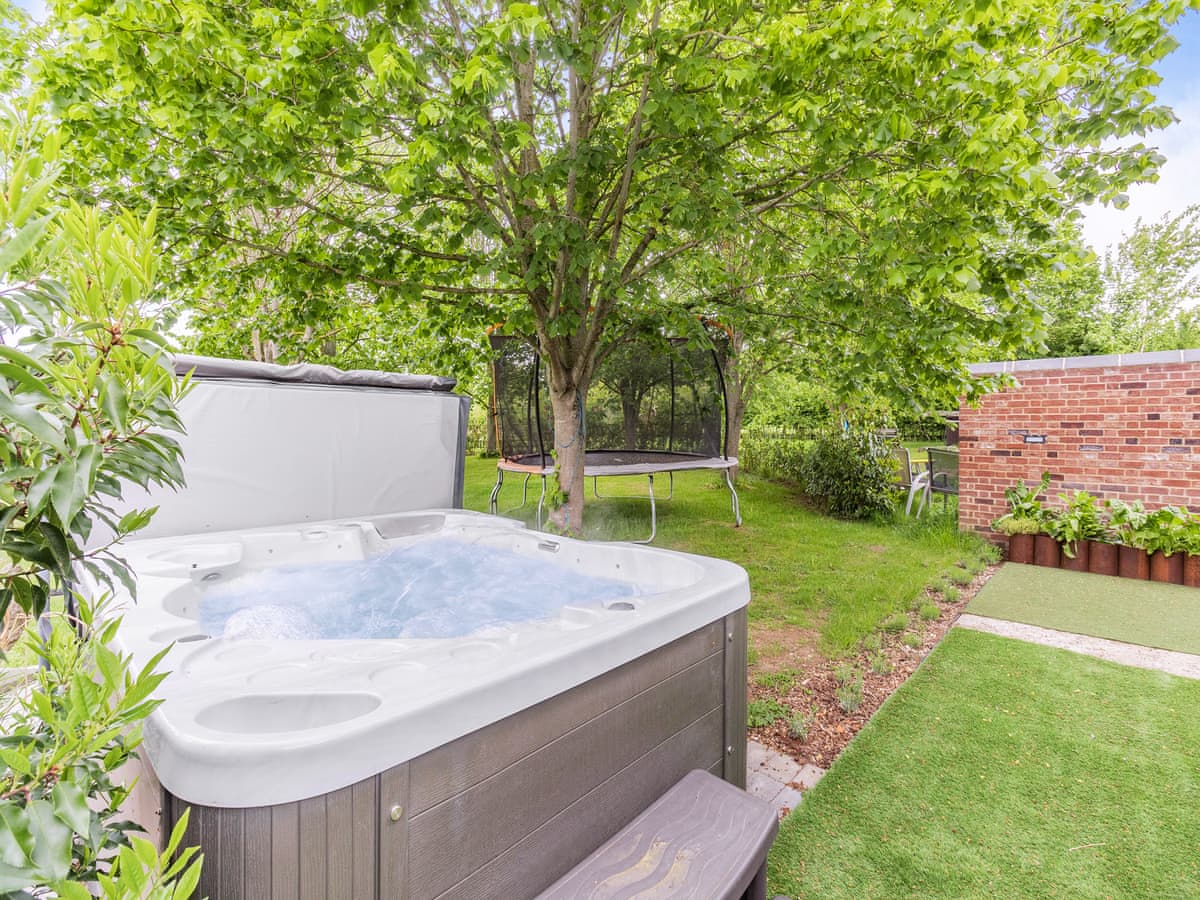
Willow Loft
🏖️ 2.4 miles from Friars Meadow, River Stour (Good water quality)
Sudbury, East Anglia
£457 per break
Check availability2.1 miles away
2.5 miles away

3.4 miles away

Borley Rectory: your questions answered
Is Borley Rectory still standing? +
No. Borley Rectory was badly damaged by fire on 27 February 1939 and the remains were demolished in 1944. The site is now private land in the hamlet of Borley near Sudbury, on the Essex–Suffolk border, and there is nothing of the house left to see.
Can you visit Borley Rectory? +
You cannot visit the rectory site, which is private property with residents' homes on it. You can visit twelfth-century Borley Church opposite, which is open to the public and has its own reputation for reported footsteps, organ music and a nun in the churchyard. Please respect the villagers' privacy.
Who is the ghost of Borley Rectory? +
The most famous is the nun, reportedly seen by the Bull sisters on 28 July 1900 and many times afterwards. A 1938 planchette séance named her as "Marie Lairre", a French novice supposedly murdered in 1667. Legend also describes a phantom coach, and later visitors have reported the Reverend Harry Bull in the churchyard.
Was Borley Rectory a hoax? +
Much of it may have been. Marianne Foyster admitted in 1947 to faking some wall writings, a Daily Mail reporter claimed to have found stones in Harry Price's pockets in 1929, and a 1956 Society for Psychical Research report concluded Price had produced some phenomena fraudulently. Some witnesses, though, never retracted their accounts.
Is Borley Church haunted? +
Visitors and investigators have reported organ music and footsteps from the locked, empty church, a figure resembling a monk inside, and a sad-faced nun in the churchyard. The church is open to the public and is the only part of the Borley story you can visit today.
Your experiences at Borley Rectory
Been on the tour, stayed the night, felt the cold spot for yourself? Tell the next visitor what happened — and if nothing did, that counts too.
No visitor stories yet — been to Borley Rectory? Yours would be the first.
Log in or create a free account to share your experience — accounts also save your trips and credit your photos.
More haunted places near Sudbury
Within 40 miles — enough for a haunted weekend tour.

👻 Haunted place · Suffolk · 14.4 mi
Colchester Castle 🔦
Europe's largest Norman keep, raised on the foundations of a Roman temple — a place where the past sits very c...
1 ghosts

👻 Haunted place · Essex · 32.4 mi
Kelvedon Hatch Secret Nuclear Bunker 🔦
Behind an ordinary bungalow among Essex trees, a tunnel leads to a Cold War bunker 125 feet underground, built...
1 ghosts

👻 Haunted place · Suffolk · 0.2 mi
Borley
Borley is a village and civil parish in rural north Essex, England. It lies close to the border with Suffolk a...

👻 Haunted place · Suffolk · 14.3 mi
Colchester
Colchester is a city in north-eastern Essex, England. At the 2021 census the built up area had a population of...

👻 Haunted place · Essex · 21.6 mi
Essex
Essex is a ceremonial county in the East of England. It is bordered by Cambridgeshire and Suffolk to the north...

👻 Haunted place · Essex · 34.3 mi
Brentwood, Essex
Brentwood is a town in Essex, England. It forms part of the London commuter belt, lying 20 miles (32 km) north...
Sources and further reading
- The Most Haunted House in England: Borley Rectory — Burials & Beyond
- Borley Rectory — Psi Encyclopedia (Society for Psychical Research)
- Harry Price and the Unholy Ghosts, Lies, and Secrets of Borley Rectory — Weird Darkness
- Weird Suffolk: It's 80 years since "The Most Haunted House in England" burnt down on the Suffolk border — East Anglian Daily Times
- The Harry Price Website – Modern Borley — The Harry Price Website
- Borley Church — The Little House of Horrors
Researched by the BritStays Haunted Britain team; last updated 13 September 2026. Spotted something we've got wrong, or have your own story from Borley Rectory? We'd love to hear it.