Guide · Devon
Where to Stay in Devon: Picking the Right Coast
5 September 2026 · 3 min read · by Martha

Devon is the only English county with two separate coastlines, and they do not feel like the same place. The north is surf, cliffs and big Atlantic weather. The south is calmer water, red sandstone and railway-line seafronts. Choosing between them is the single most useful decision you can make before booking, because everything else follows from it.
The south coast: easy, warm, family-shaped
The south gets the gentler sea and the lion's share of the classic resorts. Dawlish is the honest pick for families: proper sand at Dawlish Warren, the famous black swans in town, and holiday parks that have been doing this for generations. Lady's Mile Holiday Park has pools, evening entertainment and space for touring vans, while Welcome Family Holiday Park sits moments from the Warren's beach and nature reserve. Nearby, Crealy Adventure Park soaks up a full day when the kids need rides rather than rockpools.
The north coast: wilder, quieter, better waves
Woolacombe, Croyde and Saunton hold three of the best beaches in Britain, and the surf culture is real rather than imported. The trade-off is drive time — the north is further from the motorway, and the lanes demand patience in August. Stays here lean towards campsites and cottages rather than big parks, which suits couples and older families who want the beach without the arcades.
The bit in between
Dartmoor sits in the middle of the county and is criminally easy to bolt onto either coast. Ponies, tors and cream teas are all within an hour of the beach, whichever side you choose. If your crew mixes beach-lovers with walkers, a southern base keeps both within reach.
Whichever coast wins, compare what each stay actually offers before you book — our family holidays with pools in Devon page narrows things down fast if a pool is non-negotiable, and the full Devon guide lists every area with its own local page. For planning the days out, things to do in Devon shows everything with distances so you can build the week around your base rather than the car.
Costs and timing, honestly
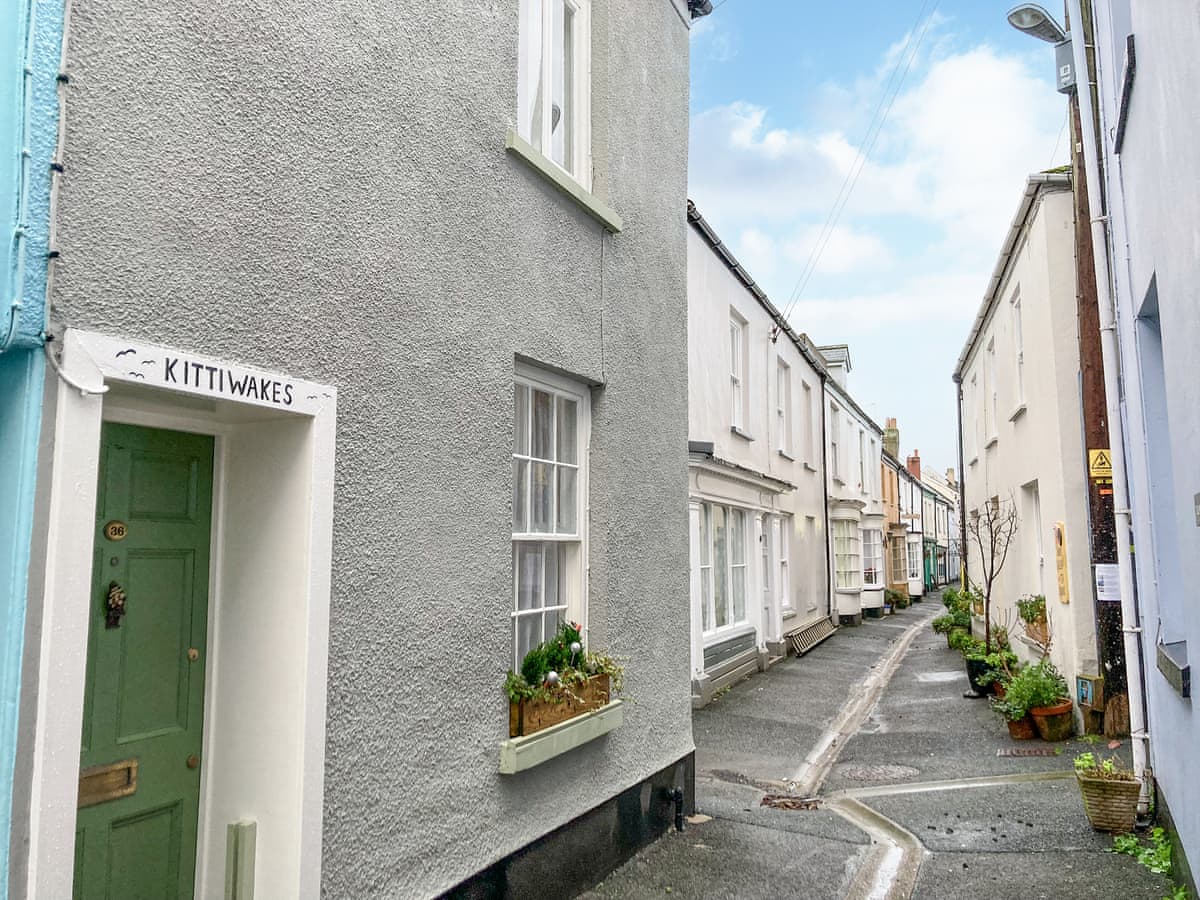
Budget-wise the two coasts are closer than their reputations suggest — the difference is made by season, not geography. A May or June week routinely costs a third less than the same stay in August, and September keeps warm sea with school-term prices. Ferries to nothing, no flights, no transfers: the money you save on getting there is worth spending on the base itself, because in Devon the base is the holiday. Look at what is included before comparing headline prices — a park pass with pools and entertainment folded in often beats a cheaper stay where every extra is charged at the gate. And check the parking situation for cottages in the harbour villages; a space two streets up matters more than the listing photos admit.
One last honest tip: south Devon books earlier because of the school-holiday crowd. If you are set on August at a named park, book by spring. The north forgives late deciders a little more — and rewards them with sunsets the south cannot match.