Guide · Powys
Walking Offa's Dyke Path: A Stage-by-Stage Plan From the Van
12 October 2026 · 4 min read · by Shona
One hundred and seventy-seven miles from the Severn to the Irish Sea, and barely a flat one among them. We've walked it the van way — one of us out at first light, the other leapfrogging ahead to the next stop with the kettle already on.
It works, but only if you plan the overnight stops before you plan the walking. Here's how we'd break it up.
How many days it really needs
Twelve days is the number we'd give anyone who asks, and it's the one the route planning page settles on too. That's roughly fifteen miles a day, which sounds gentle until you meet the Black Mountains or the Clwydian Range, where the path stacks up one hillfort after another and your fifteen miles feels like twenty.
People do squeeze it into nine or ten. They tend to arrive at Prestatyn a bit hollow-eyed and having seen nothing but their own boots. If you've got fourteen days, take them — the spare two absorb a rained-off morning, a long lunch in Hay, and the Tintern Abbey detour that everyone makes and nobody regrets.
One thing worth knowing before you book anything: the path tracks the England–Wales border, and the villages either side of it are small. Beds go early in the walking season. Book the whole chain before you commit to the dates, not after.
The southern half: Chepstow to Knighton
You start beneath Chepstow Castle, the oldest stone castle in Britain, with the Wye running below. The first stage into Monmouth is the lower Wye Valley at its best — woodland, river bends, and the Tintern Abbey diversion sitting right there tempting you off route. Take it. Build the extra hour in rather than pretending you'll walk past.
From Monmouth the path swings towards Hay-on-Wye, the town of books, sat at the foot of the Black Mountains. This is the stretch where a rest day earns its keep. Hay is a good place to do nothing for twenty-four hours, and the climb that follows is stiffer than anything behind you.
Then Kington, reached over Hergest Ridge — the airiest miles on the whole path, big sky and not much shelter. Check the forecast the night before, because there's nowhere to hide up there.
Knighton is the halfway mark. Tref-y-Clawdd, the town on the dyke, and home of the Offa's Dyke Centre. If you're walking it in two halves across two holidays, this is where you split. It's also the natural place to swap over drivers, restock, and do a proper laundry run.
The northern half: Buttington to Prestatyn
North of Knighton the character shifts. Buttington, near Welshpool, is the Severn valley interlude — flatter, easier walking, with Powis Castle close enough for an afternoon off. Use it as a recovery stage, because Llangollen is coming.
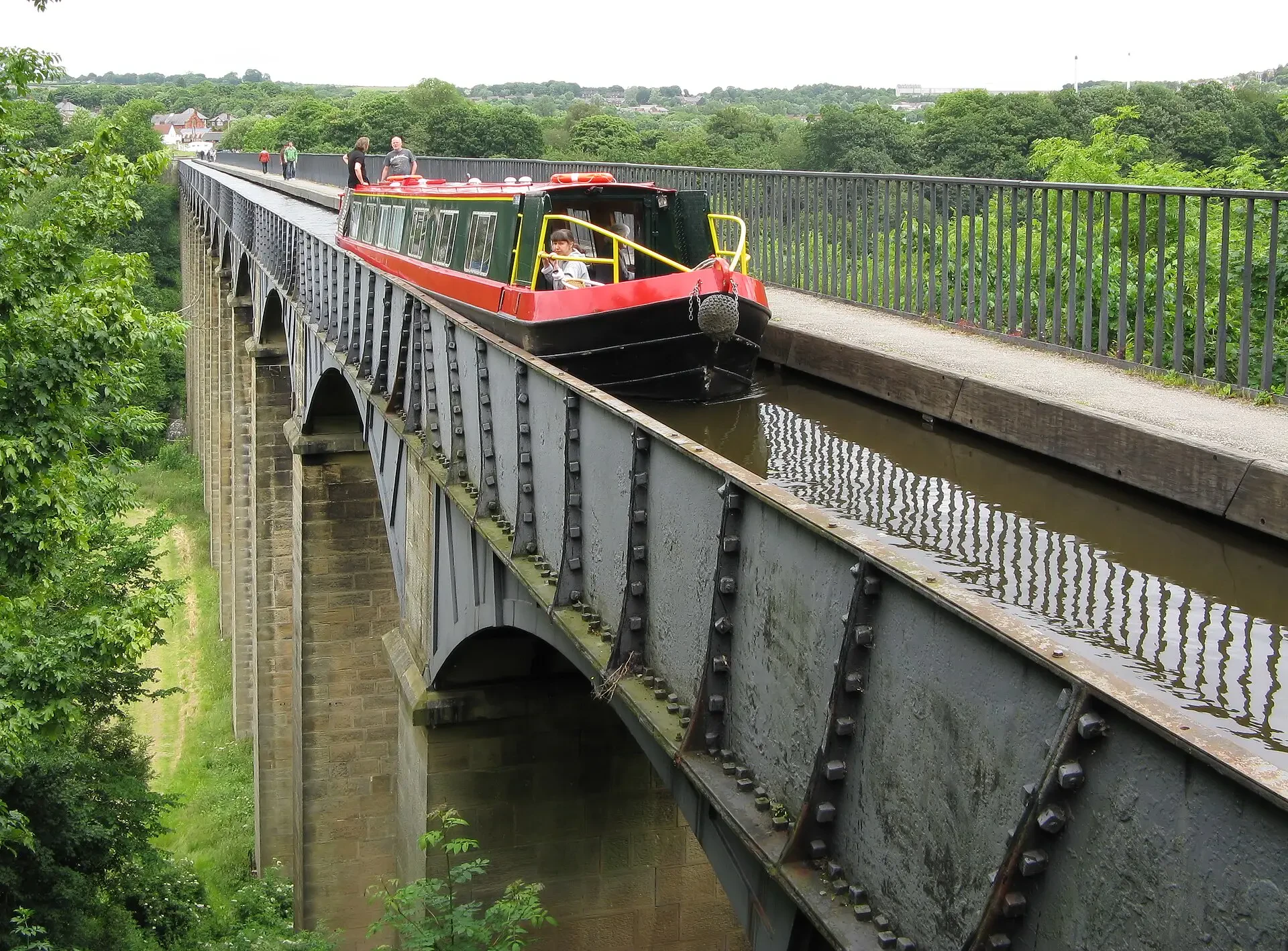
The crossing of Thomas Telford's Pontcysyllte Aqueduct is the single best hour of the route. A World Heritage Site, a canal in the sky, and a drop that will sort out anyone with wobbly knees. Go early if you can.
After that, Bodfari and the Clwydian Range: heather, and hillfort after hillfort, so the climbing keeps coming back just as you think you've finished with it. Then the last hill drops you straight down onto Prestatyn promenade and into the Irish Sea. Boots optional at that point.
Where we stay, and where we fill the tank
We mix it. Campsites when the weather holds and we want to be cheap, a proper roof when someone needs to dry out four days of socks. A few we've used or earmarked:
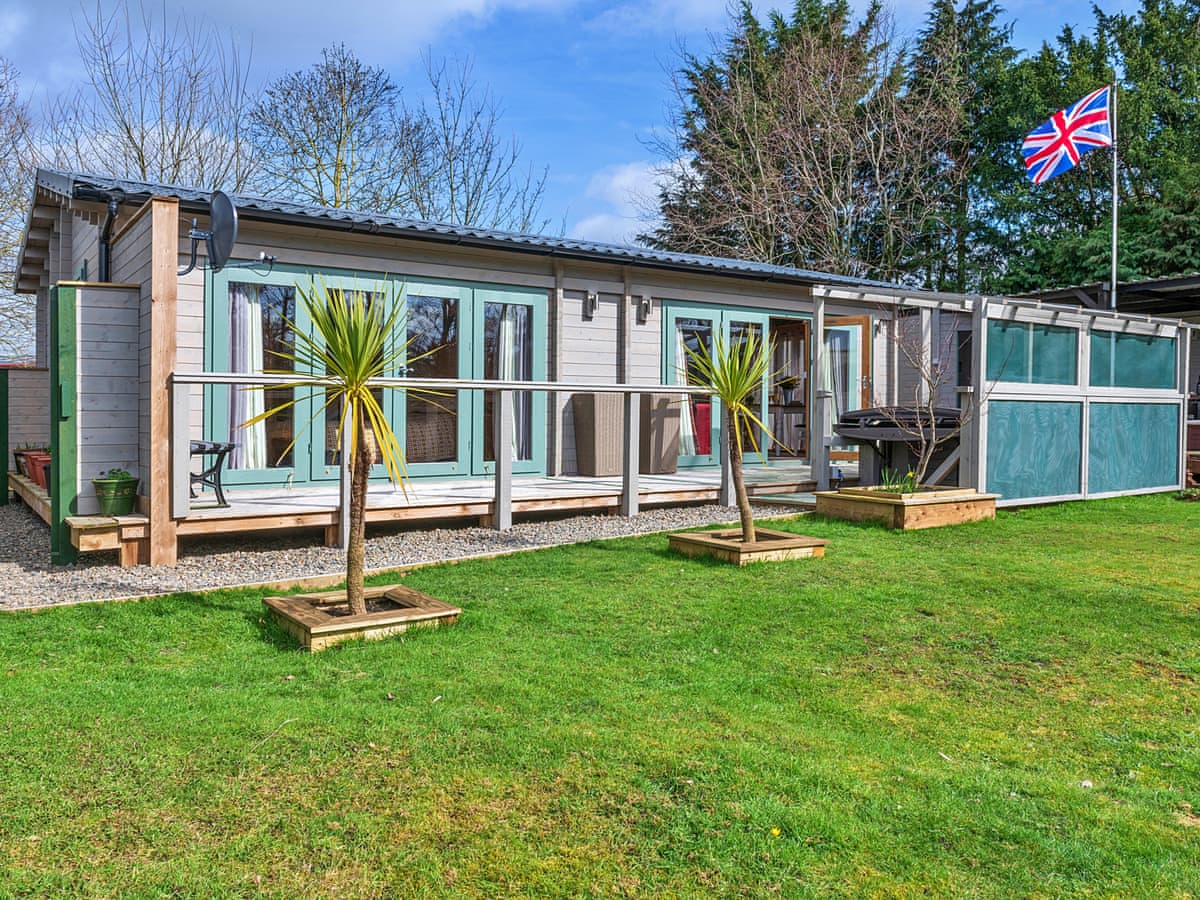
- Presteign Holiday Park — caravanning, for the nights you'd rather have a pitch than a room.
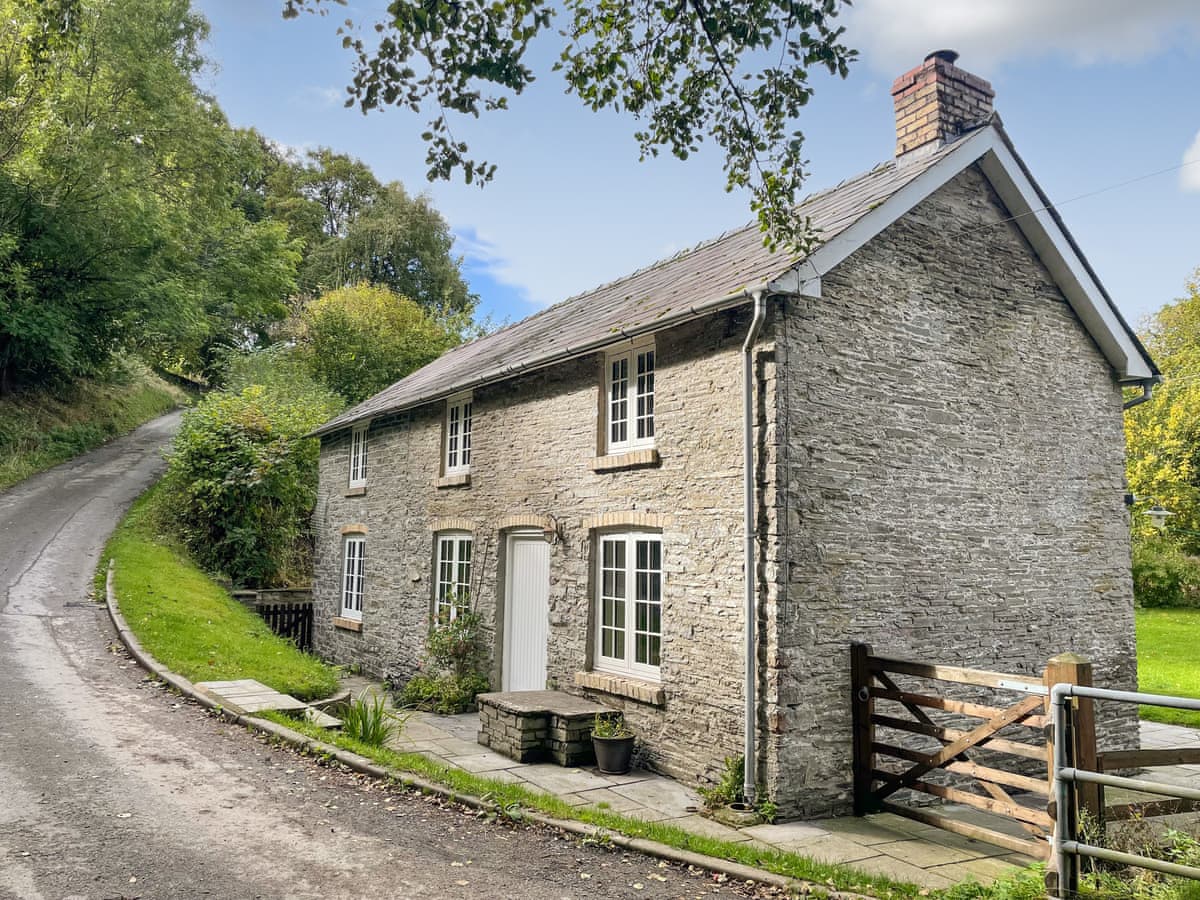
- The Old Byre — a cottage with a bus stop nearby and EV charging close by, which matters if you're running an electric van and doing the leapfrog thing. The bus stop matters too: it's the cheapest way to get a walker back to the vehicle at the end of a stage.
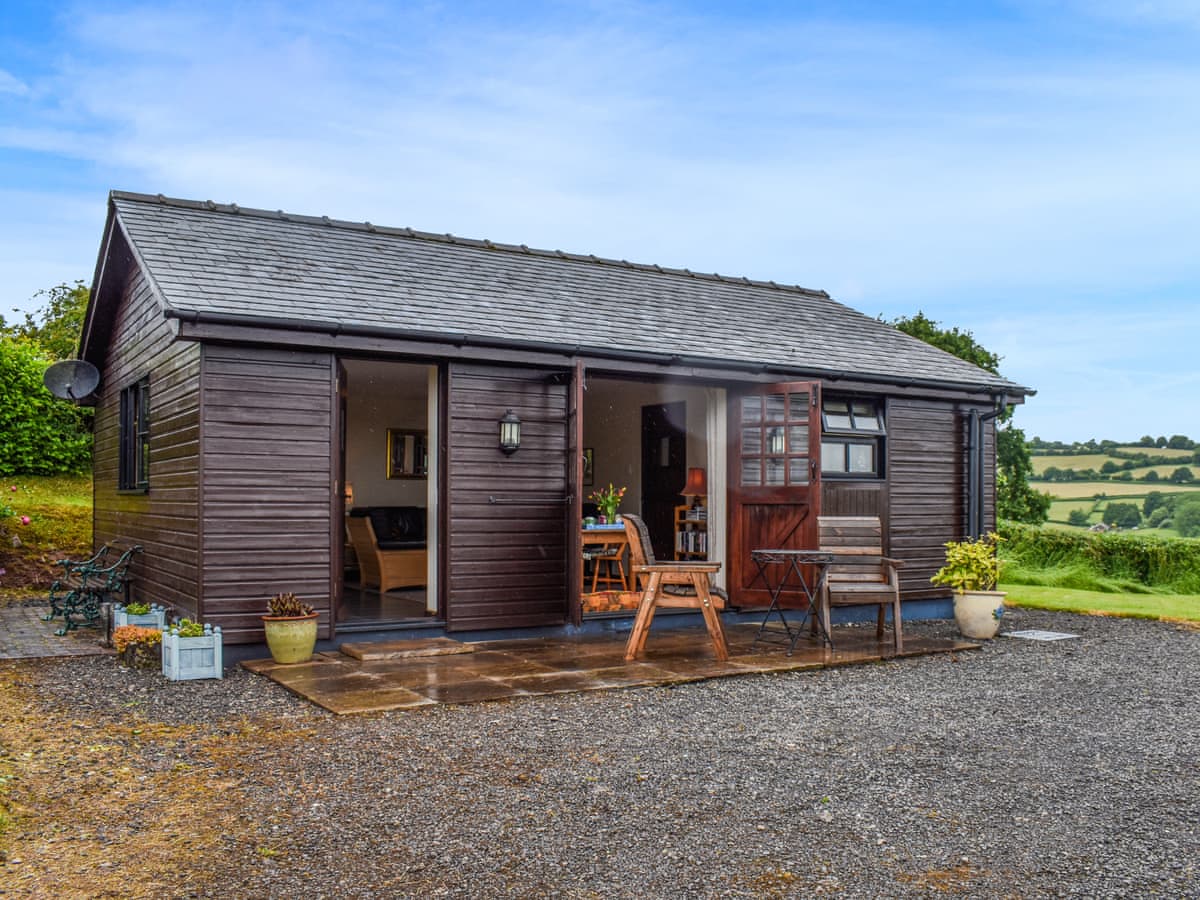
- Bridge End Cottage — a cottage for the night you decide you've earned a bath.
- Viney Hill — camping, for when the forecast is kind and the budget isn't.
Water is the thing people underestimate. Campsites will sort you out, but the gaps between them in the border country are real, so we fill whenever we can rather than whenever we need to. Same with fuel — top up when you pass a garage, not when the gauge starts nagging.
If this whets your appetite for doing the whole thing on wheels rather than feet, our UK road trips collection covers the rest.