
Guide · Cumbria
The Lake District Without a Car: Yes, Really
30 August 2026 · 2 min read · by Tom
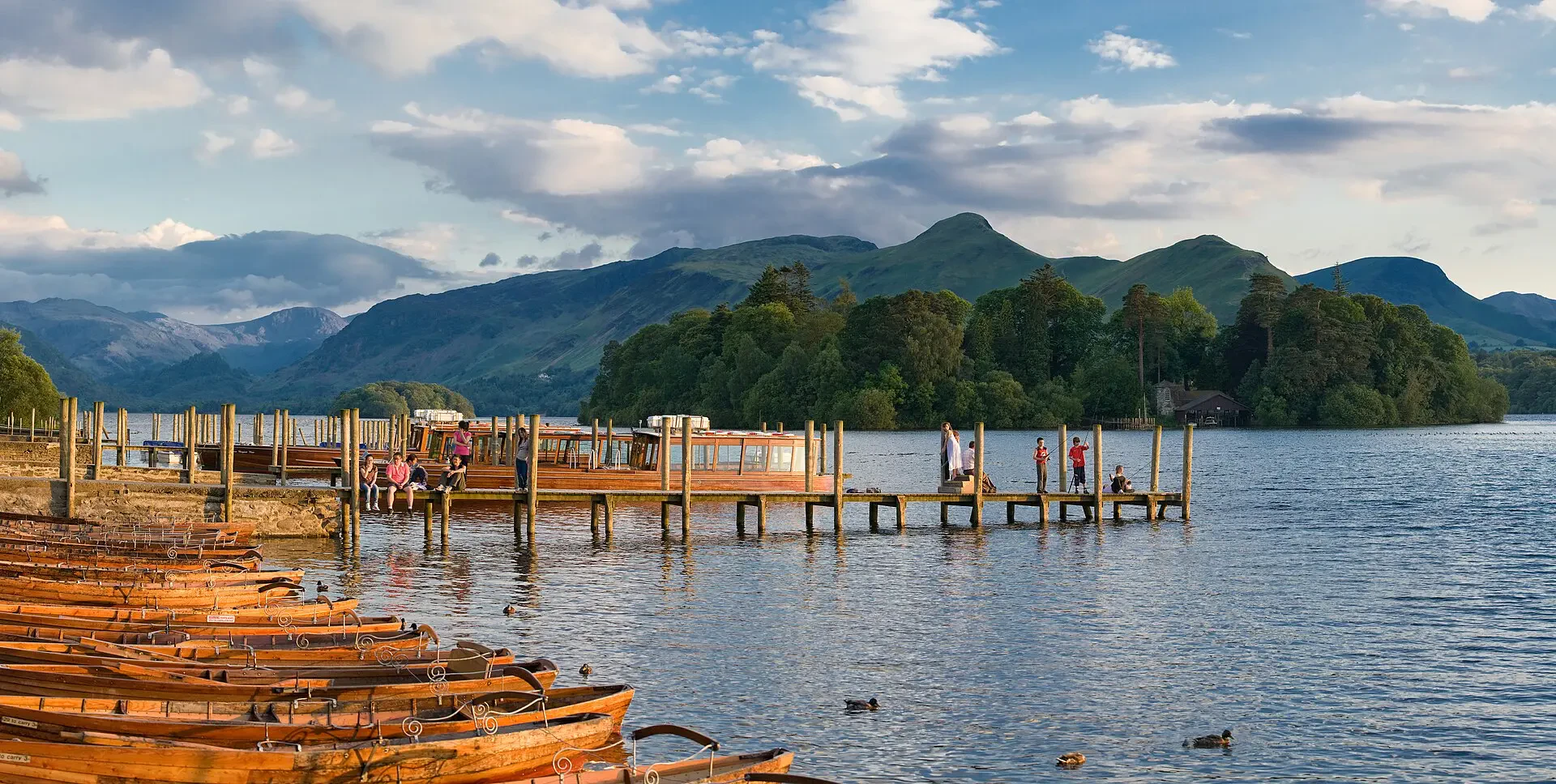
The Lake District has a traffic problem in summer, and the secret the regulars know is that you can simply opt out of it. Windermere has a mainline railway station. The lakes have boats that function as transport. The buses reach the famous valleys. A car-free Lakes break is not a compromise — done right, it is the better version. You arrive rested rather than frayed, you spend nothing on parking, and you never once have to reverse down a single-track lane to let a coach through.
The objection is usually the same: surely you end up stranded, or stuck doing the same short walk twice. In practice the opposite happens. Without a car to return to, you stop planning circular routes and start planning walks that end somewhere new, which is how most people would rather walk anyway.
The Windermere backbone
Trains reach Windermere town via a branch line from Oxenholme on the West Coast main line. From there, Lake Windermere itself becomes your transport: steamers run the length of England's longest lake, linking Ambleside, Bowness and Lakeside like a ferry service with better views. The 555 bus carries on to Grasmere and Keswick, which covers most of what a first visit wants.
It is worth understanding how those three pieces fit together, because that is the whole trick. The branch line gets you into the national park with your bags. The boats move you up and down the lake without touching a road. The buses take you inland to the valleys the water does not reach. Pick a base somewhere on that chain and you have a working transport network rather than a series of hopeful connections. Travel light while you are at it — you will be walking from platform to accommodation at least once, and a wheeled case and a lakeside lane are not natural allies.
Walking from the door
Choose your base for its footpaths rather than its car park. Ambleside puts Loughrigg and the Fairfield horseshoe at your door; Bowness gives you the lake shore. Orrest Head — the little hill above Windermere station that made Wainwright fall for the Lakes — takes about twenty minutes from the platform, which is the best welcome any national park offers.
That word "walkable" is doing a lot of work, so be strict about it. A place ten minutes from a pier or a bus stop is a different holiday from a place forty minutes up a hill with no pavement. Get it right and the first morning sets the tone: breakfast, out of the door, on a footpath inside five minutes, with no discussion about who is driving and no hunt for a space.
A rhythm rather than an itinerary
Car-free days have a shape to them. You look at the boat and bus times the evening before, pick the direction, and let the timetable pick the finish. Ride up the lake and walk back along the shore. Take the 555 out to Grasmere and walk over towards Ambleside. Come down off Loughrigg and catch whatever is passing rather than trudging back to where you parked.
The gaps are part of it too. Waiting twenty minutes for a boat with a coffee, or reading the timetable on a bench while the fells do their thing with the light, is not lost time. Anyone who has spent a July afternoon circling Bowness for a parking space knows which version is the holiday.
What you give up, honestly
The far western valleys — Wasdale, Ennerdale — are impractical without wheels, and buses thin out after dinner. If your ambitions centre on the remote fells, keep the car. If they centre on lakes, pubs, gentle summits and not spending your holiday in a queue for a car park, leave it at home.
The evening thinning is the one to plan around. It mostly means eating where you are sleeping, or near it, rather than driving out to a pub three valleys over — which is no great hardship in Ambleside or Bowness, and it does mean nobody has to stay on the soft drinks.
What a car-free week actually costs
The sums favour the train more than people expect. Advance singles to Windermere from the big northern cities are modest, a week of lake steamers and buses can be covered with rover-style tickets, and you save every parking charge in a national park where parking is neither cheap nor guaranteed. The steamers double as the best-value sightseeing in the Lakes — a single end-to-end cruise shows you more shoreline than a day of laybys. Add the freedom to finish a walk at a different pier from where you started, and the car begins to look like the compromise.
There is a quieter saving as well. Nobody spends the week driving, which means nobody spends the week missing the view.
Base yourself well and the rest follows: browse places to stay in Cumbria and favour anything walkable to a pier or bus stop. And for days when the clouds sit low, a farm park day or a steamer ticket ridden end to end both count as proper Lakes experiences. The views do the work; you just have to be there.


