Inspiration · Lyme Regis
Ninety-Five Miles, Taken Slowly: The Case for the Jurassic Coast Road Trip
6 October 2026 · 4 min read · by George
Ninety-five miles, and roughly 65 million years. That is the Jurassic Coast Road Trip in one line, though the line rather undersells the tea stops.
Start at the old end, where everything is red
Exmouth is where the red Triassic cliffs begin, and they are the oldest thing on the whole coast. Drive west to east and you are, in a manner of speaking, travelling forwards in time. It is a pleasing conceit to carry in your head while you look for somewhere to park.
Sidmouth comes next, and it is the sort of town that still understands the value of a bench. A Regency seafront, russet cliffs behind it, and a donkey sanctuary on the hill above town if you fancy a gentle hour on level-ish ground. Then Beer, where the red gives way to white chalk quite suddenly, and the fishing boats are winched up the shingle rather than moored in a harbour. Watching that happen is a perfectly acceptable way to spend twenty minutes. I have spent longer.
Two to four days is the suggested span for the whole route, and I would lean towards four. Three days makes it a drive. Four makes it a holiday.
Fossil country, and a beach that does the work for you
Lyme Regis is the fossil capital and knows it. Walk out along the Cobb first, because it puts the town in its proper setting, then walk on round to Monmouth Beach for ammonites. You need no equipment beyond reasonable footwear and patience.
Charmouth, though, is the one to plan around. It is the best beginner fossil beach on the coast, and the trick is timing: go after a storm, when the cliffs have shed a fresh lot of material onto the shore. Keep to the beach and off the cliffs, walk slowly, look down. Children find things. So do people with bad knees, provided they are willing to take their time.
West Bay finishes the day. The cliffs are golden, Broadchurch put them on television, and they are at their best in low evening light. Arrive late, stay for the sunset, and let somebody else do the driving afterwards if you have the option.
Swans, shingle and the textbook cove
Abbotsbury is the surprise of the route for most people. There is the swannery, the subtropical gardens, and behind it all the great sweep of Chesil Beach running off into the haze. It is a landscape that does not photograph as well as it looks, which is rather in its favour.
Weymouth is Georgian seaside done properly. Sand, a working harbour, fish and chips eaten within sight of the boats. It is the natural place to break the trip and have a proper sit-down meal rather than something in a lay-by.
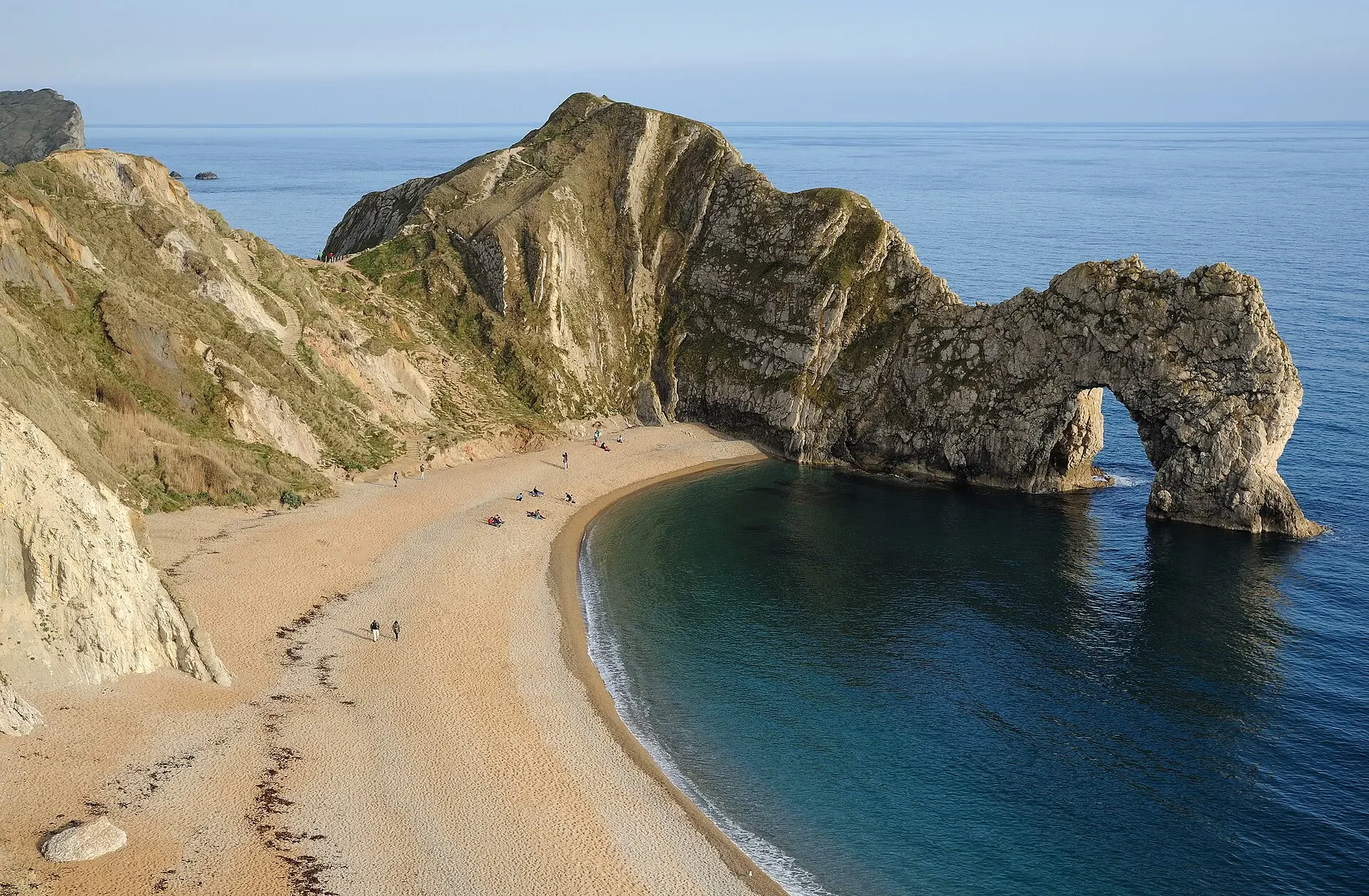
Then Lulworth Cove, which is almost too neat to be real — the textbook cove, the one from the geography lessons. Durdle Door is a clifftop walk away, and the clue is in the word clifftop: it climbs. Pace accordingly and take water.
Where to base yourself, and how to finish
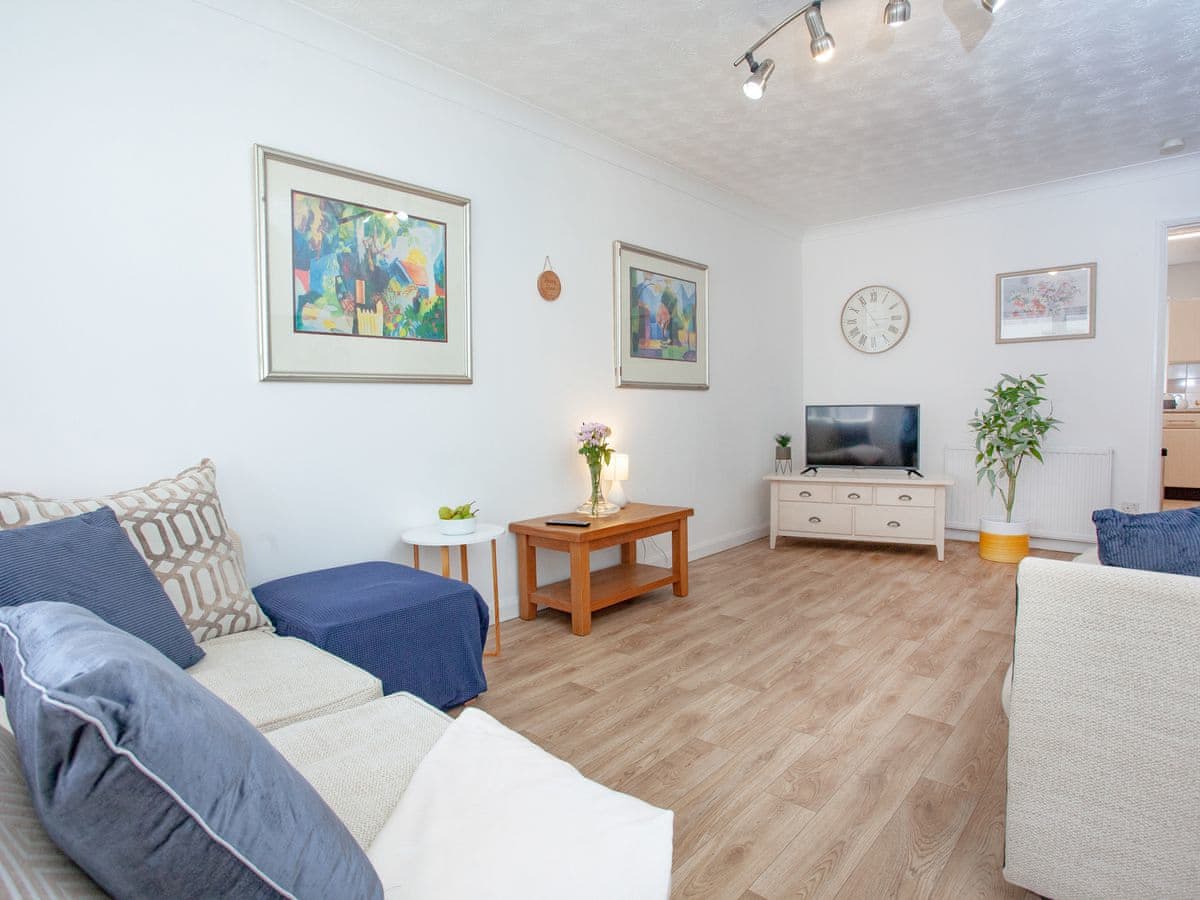
Doing this route from one or two bases beats packing the car every morning. A few that suit an unhurried pace:
- Jubilee Cottage — near both a bus stop and a train station, with EV charging nearby, so you can leave the car alone for a day.
- Whitwell Farm Cottages – Brandy's — farm cottages with EV charging nearby, and the quiet that comes with them.
- Waterside Holiday Park — caravanning with a spa, a bus stop close by and EV charging nearby. Useful if the clifftop walks have caught up with you.
The last stretch is the best. Corfe Castle stands ruined above a stone village, with steam trains running below it, and you can watch both from a suitable vantage point without moving much at all. Then Studland, and Old Harry Rocks at the end — the youngest chalk on the coast, 65 million years on from those red cliffs at Exmouth.
Stand there a moment before you turn round. Few drives give you a beginning and an ending quite so plainly. If it gives you a taste for this sort of thing, there are other UK road trips waiting, and none of them are in any hurry either.