Guide · Lincolnshire
Holiday Park or Campsite? How to Choose Well
7 September 2026 · 2 min read · by George
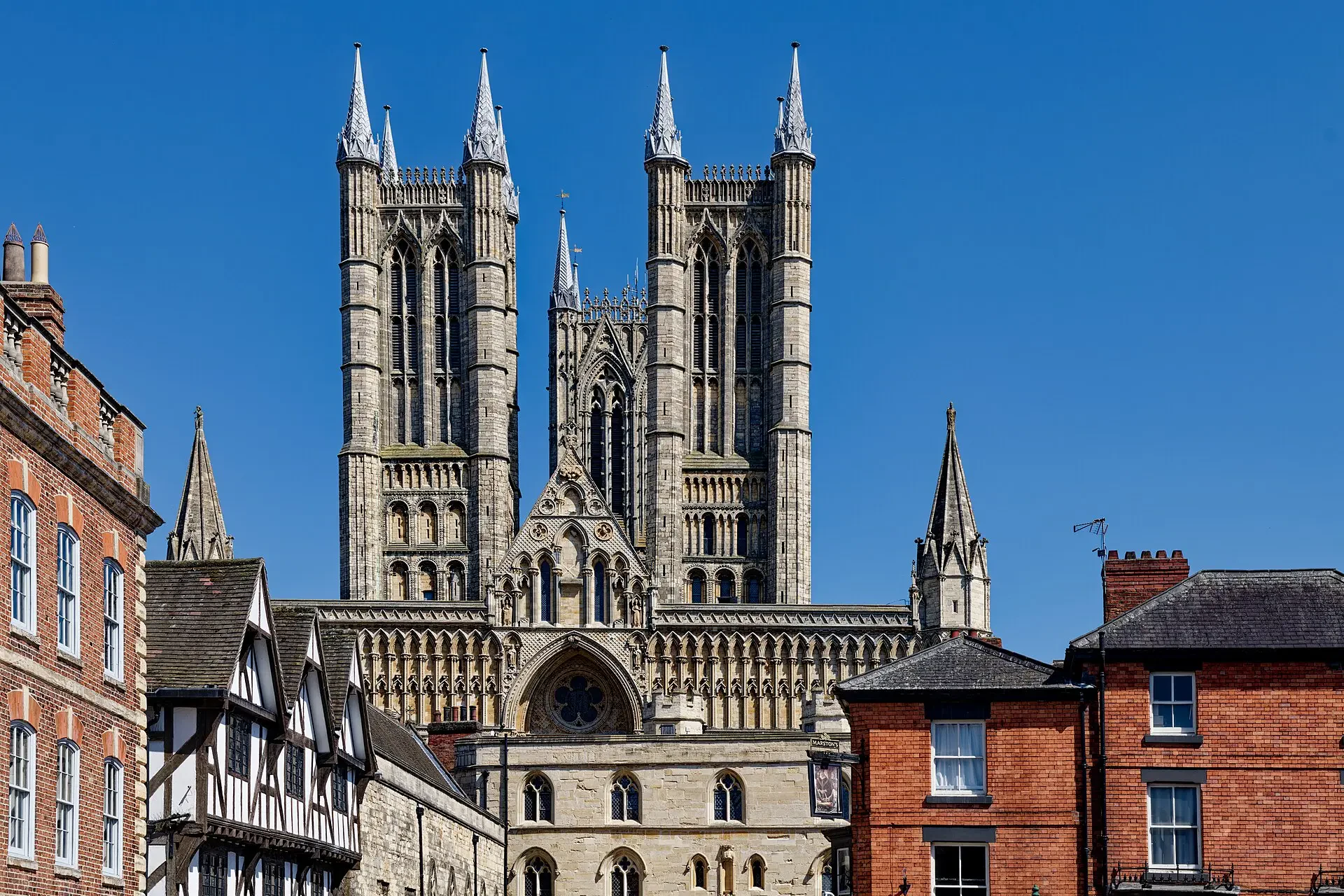
British seaside breaks split into two tribes: the holiday park, with its pools and evening entertainment, and the campsite, with its firepits and birdsong. Both are brilliant. They are also completely different holidays wearing similar price tags, so choosing wrong wastes a good week. The mistake most people make is treating the decision as a matter of budget or luxury, when it is really a matter of temperament. A family that would be perfectly happy on a quiet field can be miserable on a busy park, and the reverse is just as true.
What a holiday park is actually selling
Infrastructure. A good park means the pool exists when it rains, someone else entertains the children at six o'clock, and dinner can be as easy as the on-site restaurant. Parks like Lady's Mile in Devon run entertainment programmes that give parents their first uninterrupted conversation of the summer. The trade is atmosphere: parks are lively by design, and you holiday alongside plenty of neighbours.
That liveliness is not a flaw, it is the product. The bar has a crowd because the crowd is the point, and children make friends in the pool queue within an hour of arriving. What you lose is control over the soundtrack. If your idea of a good evening involves silence by nine, a park in August will test you. It is also worth being honest about how much of the on-site offering you will actually use. Families who intend to spend every day out at beaches and towns sometimes pay for facilities that sit unvisited, and would have been happier somewhere simpler and cheaper.
What a campsite is actually selling
Peace, and a different relationship with the outdoors. Sites like Pooh Cottage near Budleigh or the smaller coastal farms trade pools for space, stars and the sound of the sea. Children roam in a way parks cannot offer; adults read actual books. The trade runs the other way: rain tests everyone, and the facilities are whatever the shower block says they are.
The other thing a campsite sells is effort, whether or not it says so in the listing. You put the tent up, you cook, you walk to the tap, you queue for a shower at eight in the morning. For a lot of people that is the holiday rather than an obstacle to it, and the week feels longer and slower because of it. But the effort is real, and it lands unevenly. Somebody usually ends up doing most of the cooking and most of the packing, and it is worth agreeing who that will be before you book rather than discovering it on a wet Tuesday.
The deciding questions
Three questions settle it. How old are the children — under-tens tend to vote park, teenagers split. What does rain do to your plans — if a wet day with no pool sounds unbearable, that is your answer. And what does the evening look like in your ideal week — a show and a bar, or a firepit and cards?
A fourth question helps if the first three come out even: how far are you driving, and how much are you willing to move once you arrive? Campsites tend to reward people who are content to stay put, walk to the beach and treat the site itself as the destination. Parks suit trips where the car is going out most days and you want a reliable base to come back to, with somewhere warm to sit and something on for the children when everyone is tired.
The kit question
Parks ask almost nothing of you beyond swimming things and a coat. Campsites ask rather more, and the gap between a good campsite week and a grim one is usually kit rather than weather. Warm sleeping bags, something waterproof for everyone, a torch, and enough layers that a cold evening does not send the whole family into the car are the difference. If you already own that gear, a campsite week costs very little. If you would be buying it all from scratch for one trip, factor that into the comparison honestly, because it can quietly cost more than the pitch fees.
The money question
Price the whole week, not the headline rate. Parks bundle pools, entertainment and often kids' clubs into the figure, so a dearer-looking park can undercut a cheap campsite once you add the swimming trips and rainy-day outings a campsite week ends up buying. Campsites win the other way when the weather holds: pitch fees stay modest, the beach is free, and the biggest expense is the ice cream van. Peak-season gaps between the two narrow sharply — August is expensive everywhere — while off-season is where campsites become astonishing value for anyone with a warm sleeping bag.
The same logic applies to food. A park with a restaurant and a shop makes it easy to spend without noticing, while a campsite with a cool box and a supermarket run tends to keep the total down. Neither is automatically cheaper; they simply fail in different directions.
Mixed feelings are allowed; so are mixed weeks. Plenty of families do a park week and a campsite weekend in the same summer, and the contrast tends to teach you which one you actually prefer faster than any amount of deliberating. Use the facility filters on any area page — Lincolnshire, say, where Natureland Seal Sanctuary at Skegness anchors a classic bucket-and-spade coast — and the icons tell you instantly which tribe a place belongs to. Choose deliberately and either version delivers.