Inspiration · Cheshire
Cheshire, Taken Slowly: The Case for a Quiet Break in the Green Middle of England
28 September 2026 · 4 min read · by George
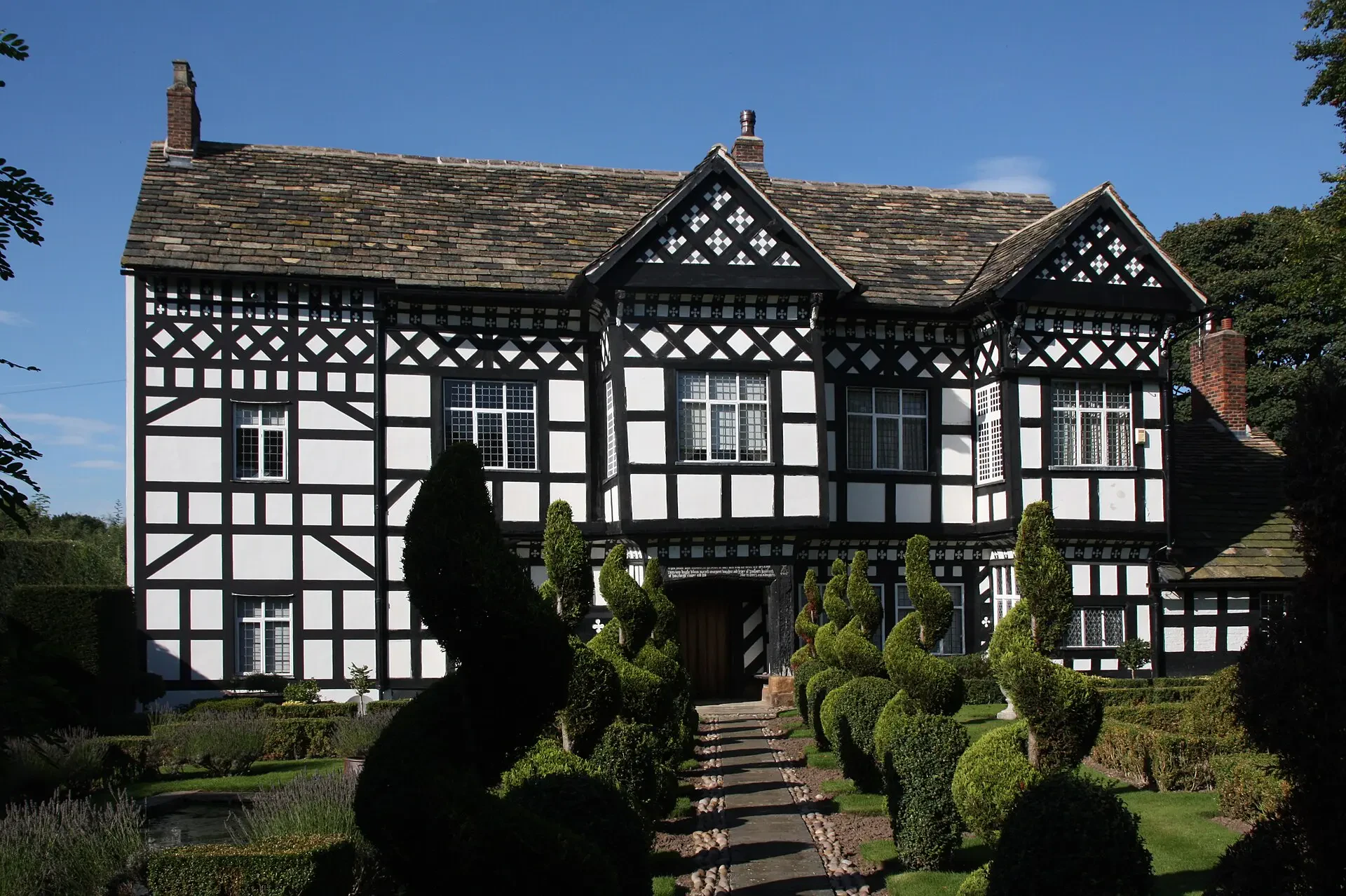
Cheshire does not shout for attention, which is rather the point of it. You go for a comfortable chair, a wide green view and the pleasant sense that nobody is hurrying you along.
A county that lets you slow down
Some places demand a schedule. Cheshire is happier if you arrive without one. It is a county of canals, dairy farms, market towns and a city that knows what to do with an afternoon, and the roads between them are mercifully flat and free of hairpin bends. If your idea of a good morning is a walk before lunch and a long sit afterwards, you will get on well here.
What makes it distinctive, to my mind, is the variety squeezed into a short drive. You can spend one day at the tiller of a narrowboat and the next in a hotel dining room, and still be back for the six o'clock news. The Cheshire holidays listings gather the options in one place, which saves a great deal of scrolling about.
Where to stay, and roughly what it costs
The choice divides fairly neatly into three camps: small cottages for two, hotels for those who would rather someone else did the cooking, and the water.
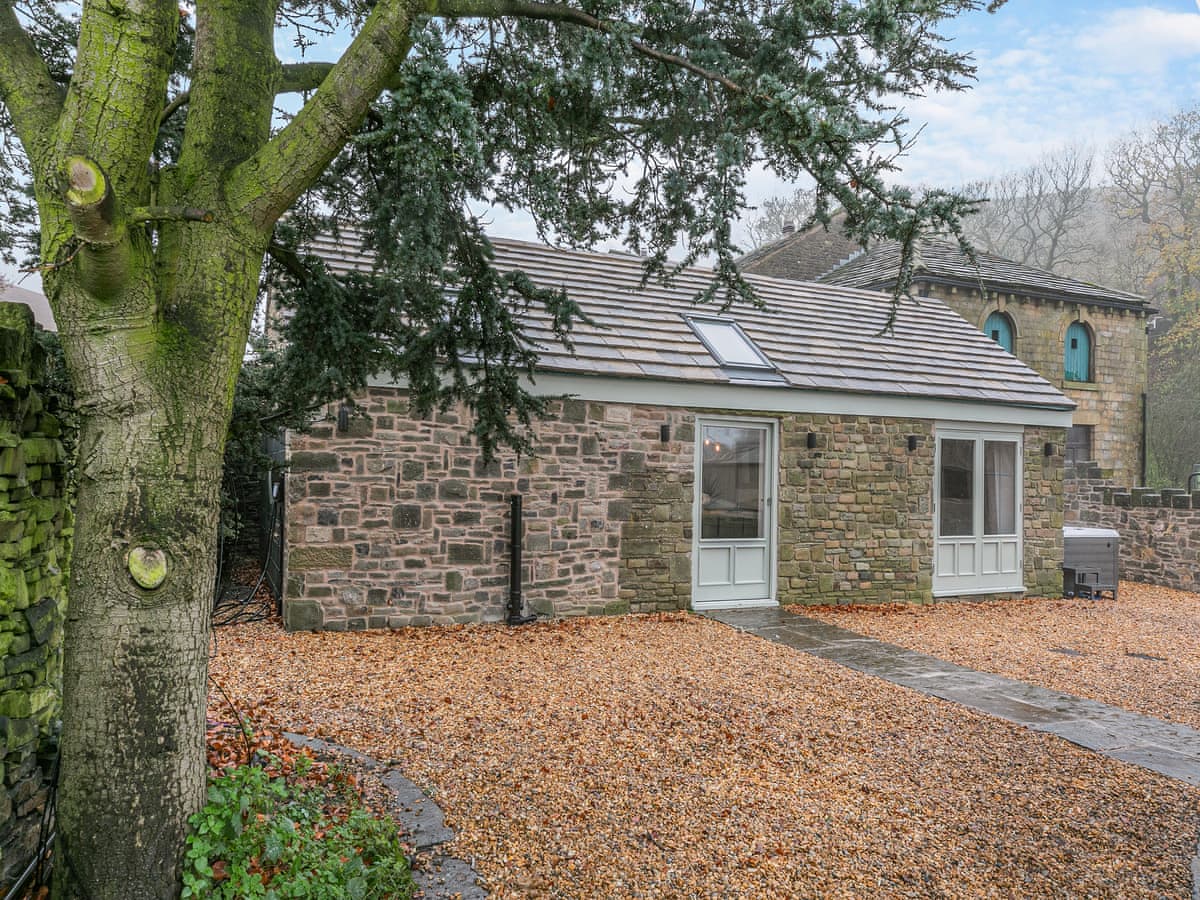
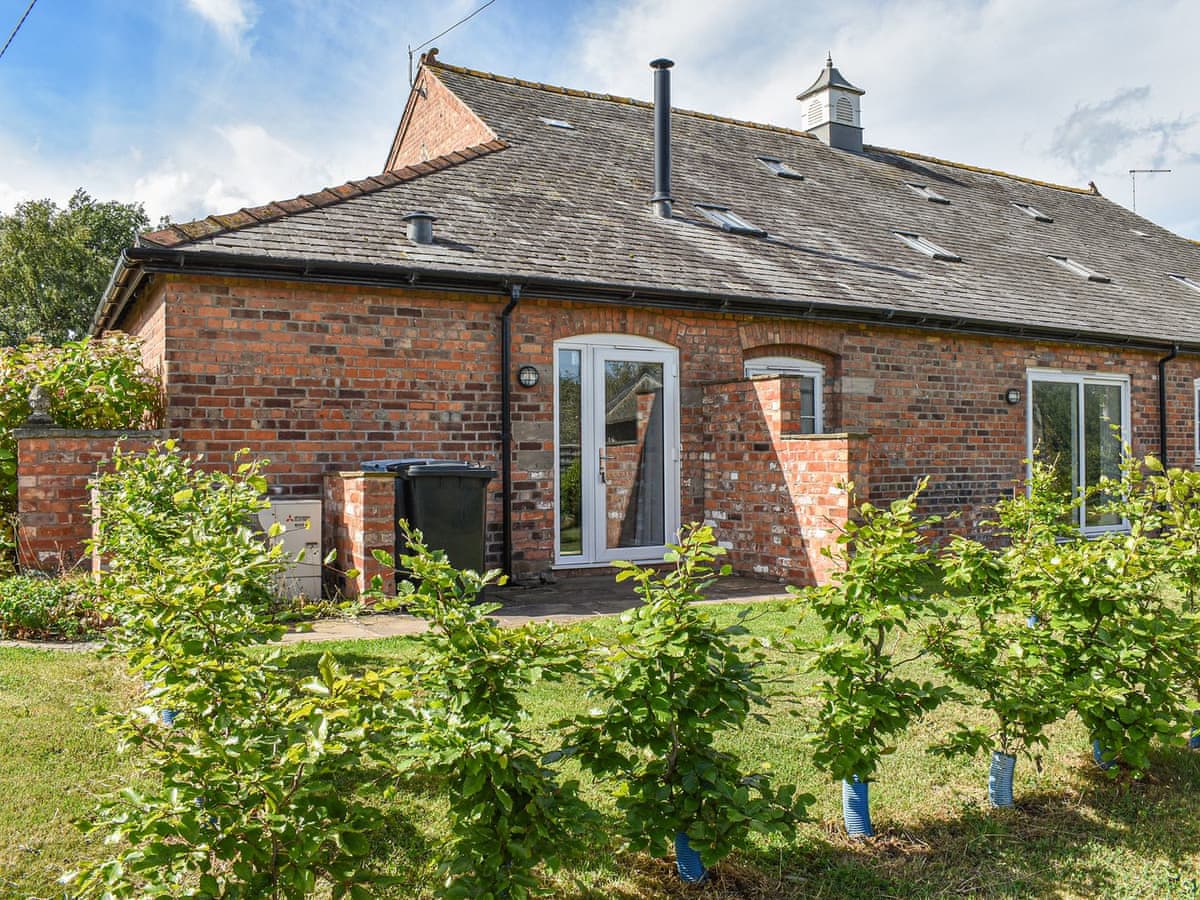
- Syke Farm Cottage — a cottage for two, from £517 per break. Suited to couples who want the door shut behind them and nothing much on the calendar.
- Brook House Farm - The Dairy — also sleeps two, from £337 per break, with EV charging nearby. Worth noting if you have gone electric and would rather not spend your holiday hunting for a socket.
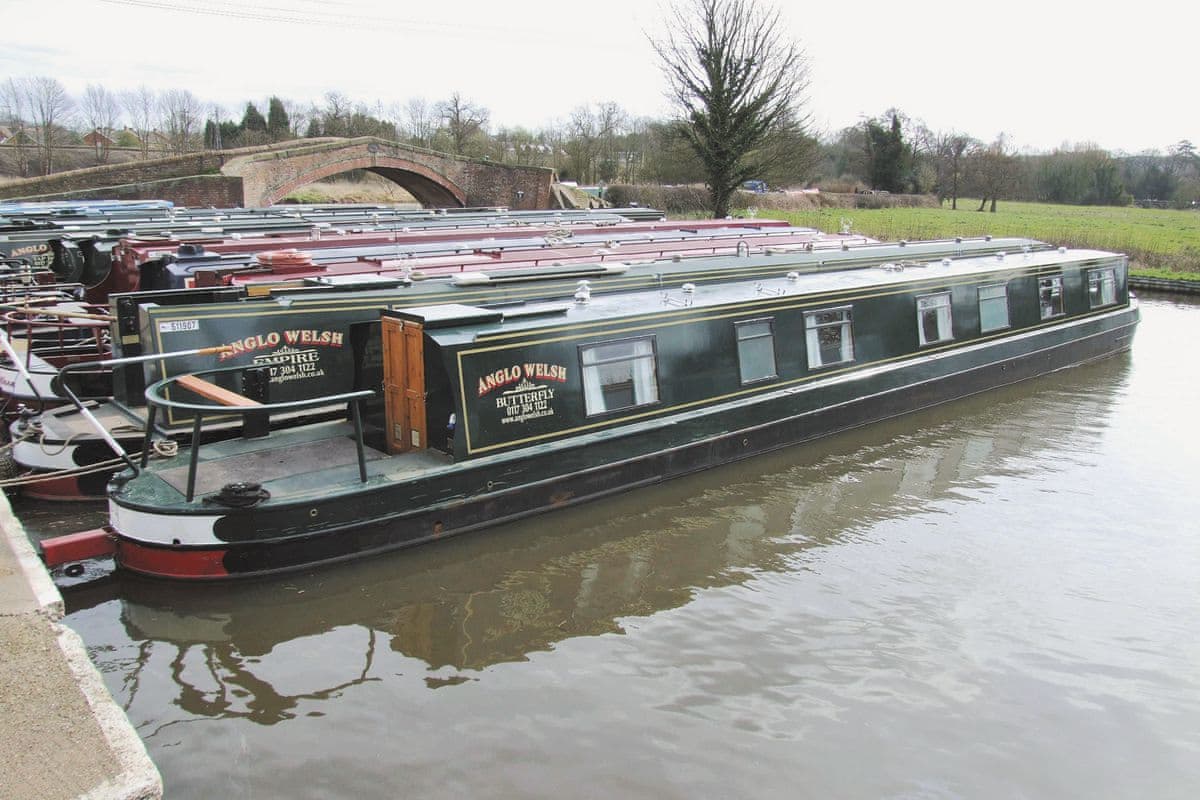
- Irene — a boating holiday sleeping eight, from £943 per break. Split between a family or two couples and it stops looking extravagant. Irene is the option I would choose if I wanted the scenery to come to me.
On the hotel side, Lloyd's of Chester puts you in the city itself, which suits anyone who would rather walk to dinner than drive to it. Thistlewood Hotel is the other Cheshire entry, and there is a Holiday Inn Express listed over towards Manchester if you are arriving by train or plane and want a straightforward first night before collecting a car.
A word on the two-person cottages: at that size you are buying quiet rather than space. That is usually the right trade. Do check what is included before booking, as the smaller places vary.
Days out that don't ask much of you
Several of the small attractions worth your time sit just over the county line, and they are the unhurried sort — short walks, benches, a cafe at the end.
Amerton Farm and Craft Centre is the easiest full morning of the lot, with parking, toilets, a gift shop and takeaway food on site. In the same unhurried spirit is a cluster of small railway exhibits: the Amerton Railway Ticket Office, which has disabled access and a picnic area, and the Amerton Railway Workshop and Engine Shed for anyone who likes to see the machinery with its lid off. There is also the Chartley Waiting Room Museum and Waterhouses Signal Box, both modest, both the kind of thing you can enjoy in a short stop without feeling short-changed.
For something with a pulse, Gentleshaw Wildlife Centre has a cafe, toilets, a gift shop, a picnic area and its own car park — a sensible combination when the weather turns, which in this part of the world it does. Further afield, the Cambrian Railways Museum and Oswestry Town Museum make a decent pair for one day; the town museum has disabled access and parking, which is not always a given with older buildings.
Practical notes before you book
Three things I would settle in advance. First, decide whether you want a base or a boat, because they produce entirely different holidays: the cottages give you a fixed comfortable chair, while Irene gives you a moving window and eight berths to fill. Second, if you are travelling as two, compare Brook House Farm - The Dairy against Syke Farm Cottage on total price for your dates rather than the headline figure — the gap between £337 and £517 per break is worth a proper look.
Third, plan around the indoor attractions. Amerton and Gentleshaw both have cafes or takeaway food, toilets and parking, which makes them reliable in poor weather, whereas the smaller railway museums are best treated as pleasant additions rather than the main event. Pack for damp mornings, allow a spare afternoon for doing nothing at all, and Cheshire will look after the rest.