Inspiration · Keswick
Britain's Ghosts: How to Tell a Real Haunting from a Good Yarn
2 October 2026 · 4 min read · by Agnes

Ask three people to name Britain's most haunted place and you'll get three answers, each delivered with total confidence. The honest reply is that the United Kingdom — all 94,354 square miles of England, Scotland, Wales and Northern Ireland — isn't one haunted place at all, but several thousand stacked on top of one another.
The story, such as anyone can tell it
Over 69 million people live here as of 2024, on the island of Great Britain, the north-eastern corner of Ireland, and most of the smaller islands scattered around them. Add the centuries of people who lived here before, and you have the raw material for every ghost story this country tells. Sightings cluster where people cluster: the four capitals — London, Edinburgh, Cardiff and Belfast — and the old ports, garrison towns and mining valleys around them.
They cluster around water, too. The UK is ringed by the Atlantic, the North Sea, the English Channel, the Celtic Sea and the Irish Sea, and coastal parishes have always kept the grimmest records: drownings, wrecks, men who went out and didn't come back. The one land border, with the Republic of Ireland, and the old Anglo-Scottish border country have their own long memory of raiding and reprisal. The story goes, in a hundred local versions, that some of that violence never quite settled.
Here's where I'll be straight with you. A national ghost story isn't a ghost story — it's a weather pattern. I won't hand you a date or a named witness I can't stand behind, because that's precisely how bad legends get made and then repeated for two hundred years. What I can give you is the method: the reported sighting, the source, the year, and the real tragedy usually sitting underneath. Our United Kingdom guide is where the individual cases live.
What it's like to visit today
Most of Britain's reportedly haunted places are not ruins on a blasted heath. They're working pubs, parish churches, heritage properties with a car park and a tea room, and private homes where someone is trying to eat their dinner. That shapes how you visit. Check opening times before you travel — many rural churches lock at dusk, and castle grounds often close earlier than the site itself.
If you're going out after dark, keep it sensible. A head torch with a spare battery, a paper map as backup, and someone who knows where you are. In midwinter the light goes by mid-afternoon in the north, so an atmospheric night visit rarely means a late one. On coastal sites, check the tide tables; more people get caught out by water than by anything else. And don't climb a wall to get a photograph. Ask the landlord, the churchwarden or the site staff instead — in my experience they'll tell you more in five minutes than an hour of creeping about.
How to check a story before you repeat it
Three questions sort the wheat from the chaff. What's the earliest written version of this story? Is there a named witness attached to it, or just "a local man"? And does the tragedy at the heart of it appear in any record?
- County record offices hold parish registers, burial records and coroners' papers. Ring ahead and ask what you need to book.
- Newspaper archives are worth chasing through your local library — a reported sighting from the 1890s will frequently turn up in the local press.
- Local history societies know which stories were invented for the Victorian tourist trade, and they're generally delighted to be asked.
You'll be surprised how often a trail leads to one guidebook paragraph from the 1920s. You'll also, occasionally, find the child's grave the story was built around — and that changes how you tell it. Browse our haunted places index to see which counties we've covered so far.
Where to stay the night, if you dare
This week's stays sit in border country, all within a mile and a half of one another — handy if you're travelling with people who want different things from a night away. The distances below are measured from the same point, so you can work out the walk between any two of them on a map before you book.
- High Gaitle Caravan & Camping Park — half a mile out, and the closest thing to sleeping under the sky without doing it properly.
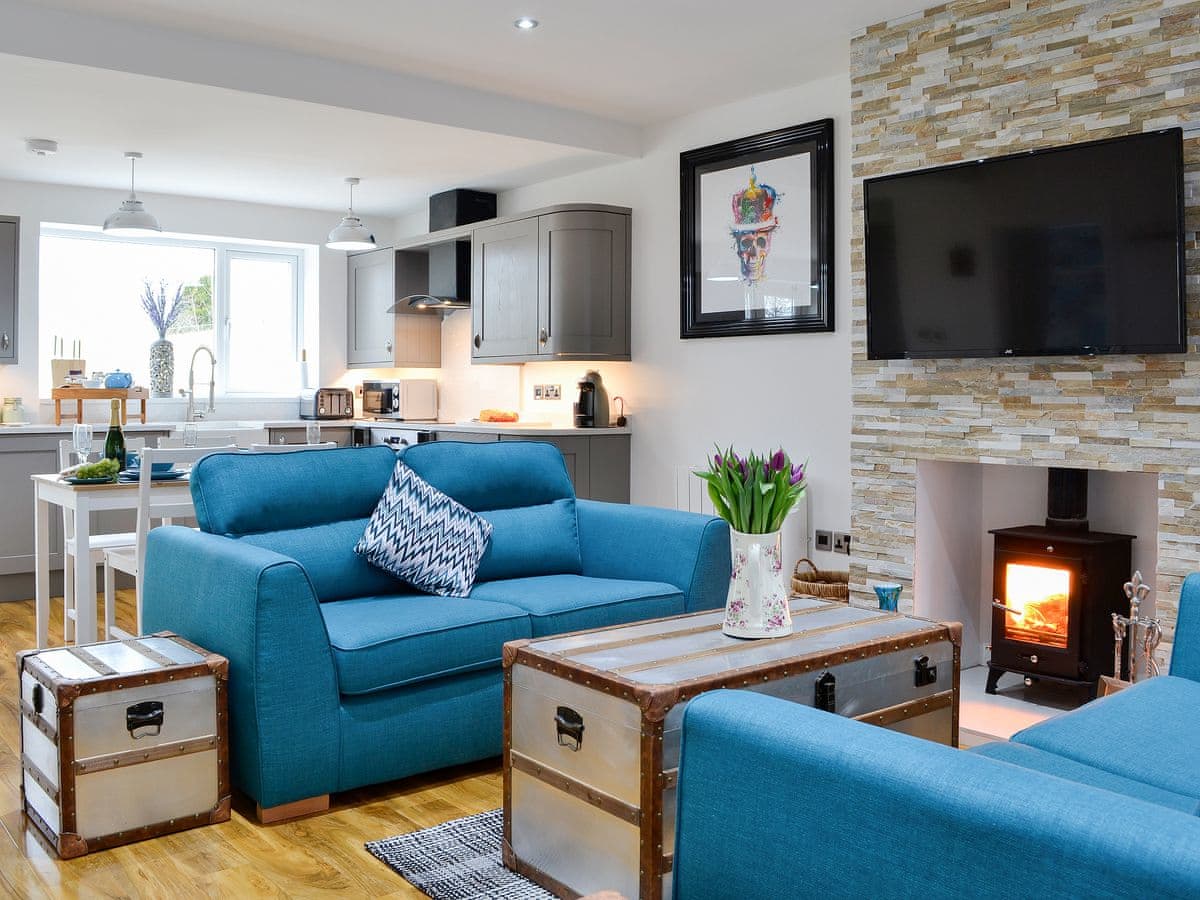
- Key to the Esk — 1.2 miles, and still comfortably within walking distance of the other three.
- Graham Arms Hotel in Longtown — 1.3 miles, and the option with a town around it if you'd rather not be alone with your thoughts at midnight.
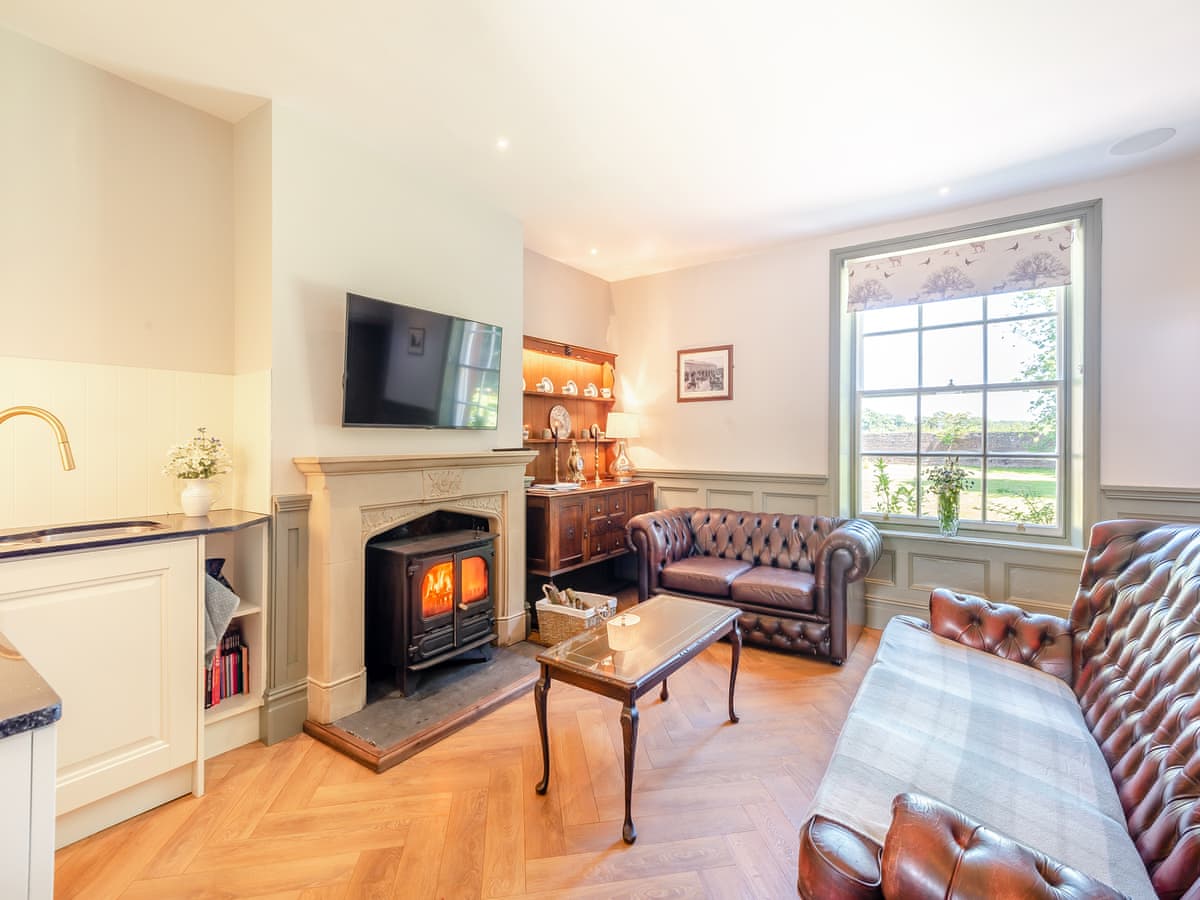
- The Coach House — 1.5 miles, the furthest of the four, which tells you how tightly packed this corner is.
Pick the hotel if you want company after dark, the campsite if you want none. Either way, take the torch.